Heritage
A house, in its own words
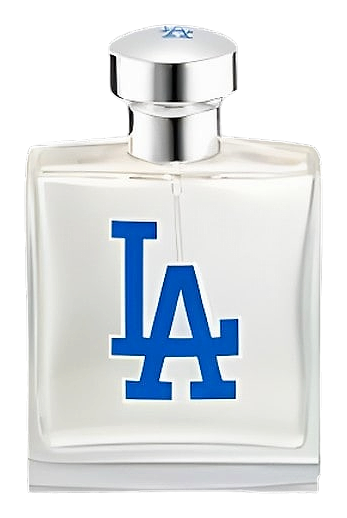
The Los Angeles Dodgers were established in 1883 and are owned by Mark Walter through Guggenheim Baseball Management. Although the franchise has a deep sporting history, it did not begin as a traditional perfume house. Its fragrance identity developed later, centered on the Dodgers’ name, colors, lettering, and connection to Dodger Stadium. The best-documented early release is LA Dodgers, identified with 2013. This places the scent label well after the founding of the baseball franchise and reflects a broader movement in which sports organizations and their supporters entered the fragrance market. The later appearance of LA Dodgers cologne listings, including a men’s version sold through FragranceShop.com, shows that the brand developed beyond a single initial product. The relationship is also visible in the wider stadium-fragrance culture. Homesick created a Dodger Stadium candle aimed at Dodgers supporters, translating the venue into a domestic scent experience. Together, these releases form a short but coherent history: an established baseball identity, a 2013 namesake fragrance, later cologne offerings, and stadium-inspired home fragrance. The available record does not identify a founder or perfumer for LA Dodgers, so attribution should remain with the licensed Dodgers brand and its fragrance partners rather than assigning individual creative responsibility without evidence. LA Dodgers approaches fragrance as an expression of identity and memory. The central subject is not an abstract lifestyle concept but a specific place, Dodger Stadium, and the community that gathers there. That focus explains why the label can work across formats, from a 2013 fragrance and later men’s cologne to a Homesick candle designed to evoke the ballpark. Its creative premise is built on recognition. For supporters, the Dodgers name carries immediate associations with blue-and-white color, familiar typography, the Los Angeles setting, baseball tradition, and shared experiences around the stadium. A fragrance built around that context can feel personal without relying only on conventional notes of woods, citrus, or spice. The supplied research does not disclose a complete note pyramid, a named perfumer, or a detailed creative brief. It is therefore more accurate to describe the philosophy through the products themselves: place becomes scent, fandom becomes wearability, and the emotional atmosphere of a venue is adapted for everyday life. This approach sits at the intersection of sports licensing, cultural merchandising, and place-based storytelling. It treats perfume as a way to preserve the feeling of being at the game when the wearer is elsewhere, or to signal membership in a community defined by team loyalty.