Heritage
A house, in its own words
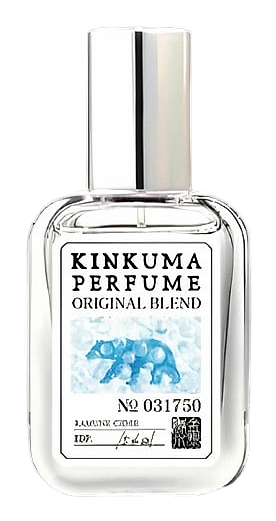
Kinkuma Perfume began as a small Japanese perfume studio in Yatsugatake, Hokuto City, Yamanashi Prefecture. The house describes itself as having spent roughly two decades developing perfume, while its official brand history also references an earlier period of fragrance-making before the studio moved to Yatsugatake. This mountain setting shaped the house from the beginning: its philosophy centers on creating soft, approachable fragrances suited to Japan’s climate, natural surroundings, and everyday use. Over time, Kinkuma expanded from studio fragrance production into a more personal retail experience. The company built a small-lot OEM service for collaborators, then opened the Kinkuma Perfume Risonare Yatsugatake main store in March 2025. Workshops there center on the “Kinkuma Base” system, allowing visitors to combine a selection of bases and create a 15 ml bottle of their own fragrance. The studio also operates a Koenji lab shop and an online custom fragrance service called Kinkuma Perfume Custom Lab. The house’s broader creative work includes collaborations built around music and art, including a limited-edition scent created with pop pianist Matsuо Yuto and a fragrance developed with musician Toko Furuichi for “My brand new day.” In 2024, Kinkuma introduced Kinkuma Perfume Japan Collection, seven fragrances inspired by Japanese scenery, seasonal imagery, traditional culture, and urban life. The brand continues to operate as part of PINOLE Co., Ltd., with its identity rooted in a compact, nature-centered perfume studio rather than a conventional fashion-house structure. Kinkuma Perfume’s central idea is simple: fragrance should express personal taste while remaining gentle enough for daily wear. The studio’s location in the natural environment of southern Yatsugatake informs a collection shaped by climate, weather, landscape, and the sensory character of Japan. The house describes its fragrances as soft and approachable, designed to sit comfortably within everyday life rather than demand attention through sheer intensity. That approach extends to participation. Kinkuma’s custom platform breaks fragrance creation into a set of selectable bases and toppings. Visitors can compose their own scent in a workshop or online, receiving a finished perfume tailored to their preferences. This makes perfumery less of a fixed-counter purchase and more of a personal act of selection. The same principle appears in collaborations, where music, pop culture, and individual artistic identity become starting points for a fragrance. The Japan Collection expands this philosophy into a portrait of place. Rather than presenting Japan as one generalized idea, the house divides it into seven distinct subjects: Mount Fuji, cherry blossom, Asakusa, sumo, Kabuki, Geikoku, and Kyoto. Each fragrance uses familiar imagery and an explicit note structure to give its subject a recognizable form. Together, these releases show a house interested in scent as both personal expression and a way of recording cultural memory.