








The Heritage
The Story of Jean & Len
Jean & Len is a niche fragrance house that blends classic European aromatics with contemporary twists. Since its first launch in the late 2010s the label has built a modest catalogue that includes Highland pine accords, citrus‑spiced blends and garden‑inspired florals. The brand positions each scent as a small, wearable story rather than a grand statement, inviting collectors to explore subtle shifts over time.
Heritage
The partnership behind Jean & Len began in the mid‑2010s when two longtime friends, one with a background in retail design and the other in olfactory research, decided to create a line of perfumes that reflected their shared love of travel and nature. Their first public offering, Highland, arrived in 2017 and was described by independent reviewers as a crisp, woody composition that evoked Scottish moors. The following year they expanded the range with Coast, a marine‑fresh scent that referenced the English shoreline, and Start, a bright citrus blend that opened the brand’s seasonal calendar. In 2018 the duo also introduced a limited edition called Safari Trooper, a spice‑rich fragrance inspired by an African expedition, and Stockholm, Suite 17, a minimalist Nordic fragrance that highlighted clean aldehydic notes. 2020 saw the release of Jardin de Singapour, a tropical green fragrance that combined palm leaf and jasmine, marking the brand’s first foray into Asian‑inspired themes. 2023 proved prolific, delivering three new releases—Bergamot Cedarwood, Cardamom Tonka, and Rosemary Ginger—each pairing a single aromatic focus with a supporting woody or resinous base. Throughout its growth, Jean & Len has remained independent, sourcing raw materials from established European suppliers and maintaining production in small batches at a certified facility in the United Kingdom. The brand’s modest scale has allowed it to respond quickly to feedback from a dedicated community of scent enthusiasts, refining formulas and occasionally re‑releasing early scents with subtle adjustments. While the founders have not disclosed a formal corporate structure, public records list the business as a limited company registered in England and Wales.
Craftsmanship
Production at Jean & Len follows a small‑batch model that limits each release to a few thousand units. Raw materials are procured from European growers who provide certificates of origin for key ingredients such as French cedarwood, Italian bergamot and Indian cardamom. Once received, the essences undergo a quality check that includes gas‑chromatography analysis to confirm purity levels. The blending stage takes place in a climate‑controlled studio where the perfumer combines base, heart and top notes in a stainless‑steel vessel, allowing the mixture to macerate for a period ranging from two weeks to three months depending on the composition. After maturation, the perfume is filtered through a 0.2‑micron membrane to remove any particulate matter. The final liquid is then decanted into glass bottles that have been hand‑polished to a satin finish; each bottle receives a hand‑applied label printed on recycled paper. Caps are machined from brushed aluminum and feature a tactile click‑lock mechanism that ensures a tight seal. Quality control includes blind panel testing by a rotating group of fragrance consultants who evaluate balance, longevity and projection. Only batches that meet the house’s internal standards proceed to packaging, where they are boxed in minimalist cartons made from 100 % post‑consumer waste. The entire workflow is documented in a digital ledger that tracks ingredient batches, blending dates and test results, providing traceability for each individual fragrance.
Design Language
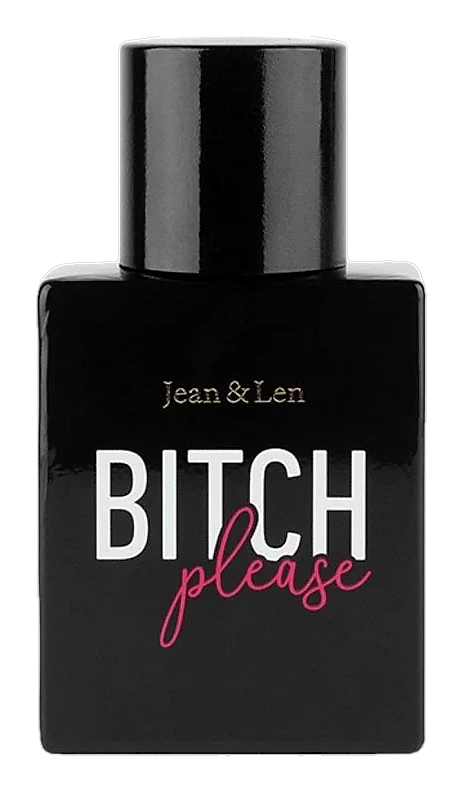
The visual language of Jean & Len mirrors its scent philosophy: clean, understated, and anchored in natural motifs. Bottles are tall and slender, cut from clear glass that showcases the perfume’s hue without additional coloration. Labels feature a simple sans‑serif typeface set against a matte background, often accompanied by a small line‑drawing of a landscape element that inspired the scent—such as a pine silhouette for Highland or a stylised wave for Coast. The brand’s colour palette leans toward muted earth tones, with occasional accent colours drawn from the fragrance’s key note, like a soft amber for Cardamom Tonka. Packaging boxes are constructed from thick, uncoated cardboard, printed with a single spot‑UV logo that catches the light when turned. This restrained approach extends to the brand’s online presence, where product pages use generous white space, high‑resolution photography of the bottles, and brief, factual descriptions rather than flowery copy. The overall aesthetic conveys a sense of quiet confidence, inviting the consumer to focus on the scent itself rather than on decorative excess.
Philosophy
Jean & Len approaches perfumery as a dialogue between place and memory. The founders speak of each fragrance as a snapshot of a specific landscape, whether it is the pine‑laden highlands of Scotland or the bustling night markets of Singapore. Their creative process starts with a field note—often a photograph or a journal entry—followed by a brief period of scent sketching in a home laboratory. The brand values transparency, publishing ingredient lists on its website and offering brief explanations of each note’s origin. Sustainability is addressed through selective sourcing; the house prefers suppliers that can certify responsible harvesting of cedar, bergamot and spice crops. Rather than chasing trends, Jean & Len aims to create scents that age gracefully on the skin, encouraging wearers to develop a personal relationship with each bottle over months or years. Community feedback is welcomed, and the label occasionally hosts virtual scent‑testing sessions where participants can discuss the evolution of a fragrance in real time.
Key Milestones
2015
Jean & Len is founded as a limited company in England, according to the UK Companies House registry.
2017
Launch of Highland, the brand’s first fragrance, reviewed by independent blogs as a crisp, woody scent.
2018
Release of Coast, Start, Safari Trooper and Stockholm, Suite 17, expanding the line to four new olfactory themes.
2020
Jardin de Singapour debuts, marking the first Asian‑inspired fragrance in the catalogue.
2023
Three new releases—Bergamot Cedarwood, Cardamom Tonka, and Rosemary Ginger—are added, each highlighting a single aromatic focus.
2024
Jean & Len announces a limited‑edition collaboration with a local London artist for a special bottle design, scheduled for release in autumn.
At a Glance
Brand profile snapshot
Origin
United Kingdom
Founded
2015
Heritage
11
Years active
Collection
4
Fragrances released
Avg Rating
3.2
Community sentiment
Release Rhythm


