Heritage
A house, in its own words
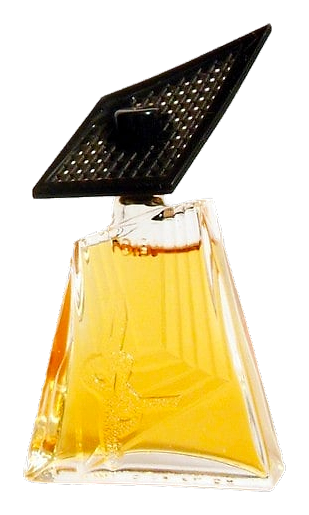
Jean Barthet was born in 1920 in the Pyrenees region of France, according to biographical records including the John F. Kennedy Presidential Library and Wikipedia. He arrived in Paris in 1947 and launched his first hat collection in 1949, establishing himself in the competitive world of Parisian fashion during a period when millinery played a central role in haute couture. By the 1950s, Barthet had developed a devoted clientele among Hollywood celebrities and French film stars, becoming the official milliner to prominent figures of the era. His rise coincided with the golden age of cinema, when leading actresses often employed hat designers to craft signature looks for premieres and public appearances. The brand's position as a purveyor of elegance to the entertainment elite shaped its identity as a maker of refined, statement-making accessories. This celebrity connection proved enduring, with the house maintaining its association with glamour throughout subsequent decades. The expansion into fragrance, beginning with the 1988 release of Bibi, represented a natural evolution from accessories to scented creations that could complete a look. Today, Barthet Paris reportedly continues operations under new creative direction, with the current team working to reinterpret the house's archive for contemporary audiences. Jean Barthet's approach to both millinery and fragrance appears rooted in the same foundational principle: accessories as expression of personality. The brand built its reputation creating hats that became signatures for discerning clients, suggesting an understanding that what one wears communicates identity. This philosophy extends naturally to fragrance, where scent becomes an invisible but powerful accessory. Current creative stewardship reportedly draws on the original founder's archives, indicating a commitment to continuity rather than wholesale reinvention. The house seems to position its fragrances as extensions of personal style, not as overpowering statements but as thoughtful finishing touches. This approach aligns with the understated confidence of true luxury: pieces that enhance without overwhelming, crafted for those who understand that elegance lies in details.