Heritage
A house, in its own words
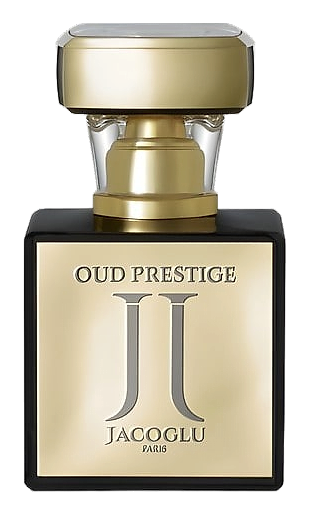
The documented history of Jacoglu is thin, and the brand does not appear in the major surveys of European perfume heritage that cover houses like Houbigant (1775), Farina (1709), or Oriza L. Legrand (1720). Most mainstream perfume history timelines begin with 18th-century Parisian or German operations, with no mention of a Jacoglu house in the founding records of the 19th or 20th centuries. What can be established is that the brand emerged as a niche player with a focus on oud-centric compositions, with Oud Prestige arriving on the market in 2013. The absence of widely cited founding details or archival mentions suggests Jacoglu is a relatively recent operation rather than a legacy house. Collectors who track lesser-known Eastern and Western oud brands typically place its rise alongside the post-2010 boom in agarwood-based perfumery, when demand for oud surged across the Gulf, Southeast Asia, and European niche retail. Beyond this, independent third-party documentation is scarce. Jacoglu's creative direction, as inferred from its output, centers on oud as the structural backbone rather than a decorative top note. Oud Prestige (2013) treats the resin as the central character, building around its smoky, leathery, and animalic facets rather than masking them with bright citrus or heavy florals. This compositional choice places the brand within a tradition of oud-first perfumery that values the raw material's complexity over conventional Western fragrance architecture. The brand's small catalog suggests a deliberate restraint, favoring depth and specificity over volume. In a market crowded with oud releases that vary only slightly in concentration or sweetness, Jacoglu appears to pursue a more austere interpretation, letting the wood and its accompanying resins speak with minimal interference.