Jacques Jacoglu
Jacques Jacoglu remains something of a quiet figure in modern perfumery, a creator whose work resists easy categorization. Little is publicly documented about his formal training or early career moves, though his name has surfaced in circles that appreciate restraint over spectacle. What sets Jacoglu apart is a willingness to operate away from the spotlight, letting compositions speak on their own terms. His path appears rooted in classical French perfumery traditions, with hints of an artisanal sensibility that values raw materials over marketing gloss. While no specific house affiliation has been widely confirmed in major fragrance databases, his creations suggest a perfumer comfortable working across multiple formats, from refined eaux de toilette to richer, more concentrated extraits. Collectors who encounter his work often describe a sense of discovery, as though stumbling onto something meant for those who pay attention rather than those chasing trends.
The hits
Notable creations
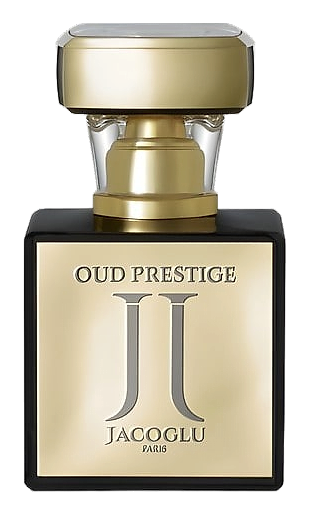
The signature
How Jacques composes
Jacoglu's signature lies in clean, architectural compositions that lean on high-quality naturals and careful dosing. He shows a preference for fresh citrus openings, particularly bergamot and grapefruit, paired with understated florals that never veer into opulence. His bases tend toward soft musks, blond woods, and hints of resin rather than heavy ambers or aggressive patchouli. The overall effect is polished without being sterile, intimate without being heavy. There's a distinctly French sensibility at work here, an appreciation for the off-duty wardrobe, the linen shirt, the early morning light. His fragrances possess a transparency that makes them wearable across seasons and occasions.
Philosophy
What drives Jacques
Jacoglu's creative approach reads as deliberately understated. He seems drawn to compositions where individual notes whisper rather than shout, favoring structure over spectacle. His work suggests a belief that true elegance lies in what is held back, the negative space between accords, the restraint that gives each ingredient room to breathe. Rather than chasing novelty for its own sake, he appears interested in revisiting classical structures through a quieter lens. This is perfumery as conversation rather than performance. Materials are treated with respect, blended with the confidence of someone who trusts that quality speaks for itself. The result is a body of work that rewards patience and close attention.
The houses