








Heritage
A house, in its own words
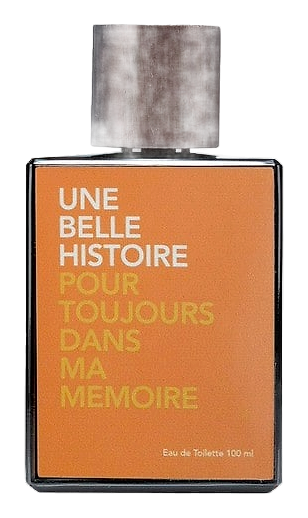
Gérard Ghislain launched Histoires de Parfums at the turn of the millennium, drawing on a personal love of literature and a desire to treat perfume as a narrative medium. Early interviews in niche press describe his background as a graphic designer who turned to fragrance after years of collecting vintage bottles. The first collection appeared in 2002, featuring scents named after everyday moments. By 2012 the house released a cluster of fragrances—Comme d’Habitude, Maladie d’Amour, Et Maintenant, Ne me Quitte Pas, Mon Jardin d’Hiver, Ete Indien and L'Important C'Est La Rose—each anchored to a specific story line. In 2015 the brand partnered with French design studio Nottier to create a unified bottle silhouette that would house future releases. The collaboration emphasized clean lines and a tactile feel, reinforcing the narrative intent of each perfume. A 2018 feature in The Perfume Society highlighted the brand’s expansion into North America, noting that independent boutiques in New York and Los Angeles began stocking the line. The 2020 anniversary edition marked twenty years of continuous storytelling, with a limited‑edition set that compiled the most referenced titles. Throughout its history, Histoires de Parfums has remained a privately held operation, avoiding large‑scale distribution in favor of curated retail partners that share its emphasis on personal connection. The house treats each fragrance as a written chapter, aiming to open an emotional portal rather than simply mask the skin. Ghislain describes his work as a dialogue between scent and memory; the bottle becomes a bookmark, the aroma a paragraph. The brand rejects seasonal trends, instead focusing on timeless human experiences such as love, loss, travel and quiet moments. Production decisions start with a story brief, which a perfumer then interprets through notes that echo the narrative tone. This approach encourages wearers to assign their own meaning, turning a commercial product into a personal artifact. Transparency about ingredient origins and a commitment to sustainable sourcing reinforce the belief that authenticity begins with the raw material as much as with the final composition. The philosophy also extends to retail, where the brand prefers intimate spaces that allow customers to linger, read the story card and test the scent without pressure.