





Heritage
A house, in its own words
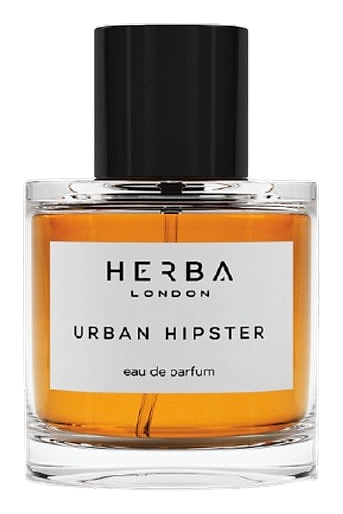
HERBA London was founded in 2017 by Peter de Bique, a British perfumer who spent time studying and working in Grasse, the historic center of French perfumery in Provence. The brand's debut collection, comprising eight fragrances, arrived in 2018 and was developed in the South of France before being bottled and finished in the United Kingdom. The name HERBA itself signals a direct connection to botanical and apothecary traditions, drawing on the Latin word for herb and plant. London has long been a hub for fragrance culture, with houses such as Floris (founded 1730) and Penhaligon's (founded 1870) shaping its perfume identity. HERBA London joins this lineage as a modern independent voice, positioning itself in the niche segment alongside brands that emphasize storytelling and ingredient transparency. Its early releases, including Bergamot, Ambre, and Kew The River, reference both raw materials and the Royal Botanic Gardens at Kew, situating the brand within a specifically British botanical conversation while drawing on classical European perfumery techniques learned abroad. Peter de Bique has articulated a vision centered on classical perfumery training applied to a contemporary London sensibility. The brand's philosophy rests on giving each fragrance a clear conceptual anchor, whether named for a single botanical (Bergamot, Ambre, Naked Neroli), a personal reference (G.E.M. 87, H.E.R. 86), or a London location (Kew The River, Urban Hipster). This approach reflects a belief that fragrance should tell a story rather than simply project a generic luxury image. De Bique has spoken about wanting to move away from what he sees as formulaic marketing in the mainstream fragrance industry, focusing on the olfactory composition itself. The house composes in a gender-neutral register, refusing the traditional masculine/feminine split that dominates commercial perfumery. Scent, in HERBA London's framing, is something personal and individual, selected by mood or memory rather than by demographic category. This positions the brand within a broader movement of independent perfumers prioritizing creative authorship over mass-market appeal.