
Heritage
A house, in its own words
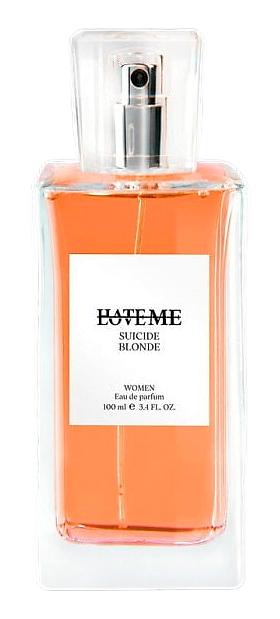
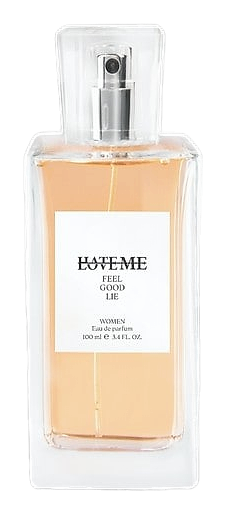
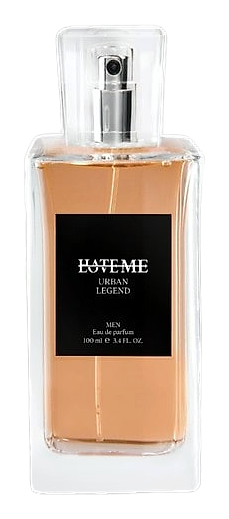
Hate Me Love Me entered the fragrance market in 2022 with a tightly focused debut lineup of four eau de parfums: Suicide Blonde, Urban Legend, Feel Good Lie, and Guilty Pleasure. All four appeared in the same launch year, suggesting a deliberate strategy of establishing a complete initial collection rather than staggering releases. The brand's name itself, a contradiction, sets the tonal foundation for a house built on oppositional pairings and emotional tension. Public-facing information about the founding team, origin city, or parent company remains scarce in independent coverage, and the label has maintained a relatively low public profile outside of its own channels and fragrance retail platforms. What distinguishes Hate Me Love Me from contemporaries is the immediacy of its conceptual pitch. Rather than building slowly through flankers and reformulations, the house launched with a complete four-piece narrative collection that introduced its core thematic premise from the outset. This compressed debut strategy reflects a contemporary indie fragrance model in which new houses use social-first marketing to establish identity before expanding into broader retail distribution. The brand continues to operate as an emerging presence in the niche category, with its 2022 quartet still serving as the foundation of its catalog. Hate Me Love Me treats fragrance as a vehicle for emotional confession rather than ornamental appeal. The brand's creative framework rests on the tension between opposing feelings, with each composition framed as a kind of scented diary entry. Names like Feel Good Lie and Guilty Pleasure signal an intentional embrace of contradiction, suggesting that the wearer is communicating something layered about desire, identity, and self-awareness. The house positions scent as inseparable from personal narrative, encouraging wearers to select a fragrance based on the feeling or story they want to project rather than traditional olfactory families. This philosophy rejects the genteel language of classical perfumery in favor of rawer, more provocative naming conventions that invite the wearer into complicity with the scent. By framing each fragrance as a message rather than a mere aroma, Hate Me Love Me aligns itself with a growing segment of indie perfumery that treats scent as an extension of personal branding and emotional storytelling.