

Heritage
A house, in its own words
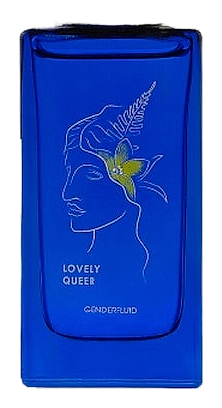
Genderfluid entered the fragrance market in 2022, a period when independent, identity-driven perfume houses were gaining visibility alongside established houses. The brand's debut coincided with a broader shift in the industry. Before the 1800s, fragrances were not defined by gender at all; they were worn to enhance presence or signal status. The Western convention of dividing perfume into masculine and feminine categories took hold in the early 1900s, and the first marketed unisex fragrance, Calvin Klein's CK One, did not arrive until 1994. Against that backdrop, Genderfluid positioned itself among a new generation of small labels challenging the gendered default by designing scents, and naming conventions, that reject binary categories from the outset. Its three launch fragrances, all released in the same year, signaled an ambitious debut rather than a slow build. As an emerging house with limited public documentation, specific details about its founders and early operations remain difficult to verify independently. The brand's creative vision centers on the idea that fragrance is a personal, expressive medium that resists categorical assignment. Genderfluid approaches perfumery as a form of identity exploration, choosing names like Lovely Queer, Iel, and Enby that reference LGBTQ+ language and non-binary identity. This naming strategy is deliberate, tying the products to a cultural and political stance rather than treating gender neutrality as a neutral design choice. The label participates in a wider movement of independent perfumers reconsidering how scent communicates, who it is for, and how marketing language shapes expectation. By releasing multiple fragrances in a single debut year, the house also signals an inclusive approach to olfactive variety, suggesting that gender-fluid perfumery is not a single aesthetic but a spectrum of compositions meant to resonate with a wide range of wearers.