

Heritage
A house, in its own words
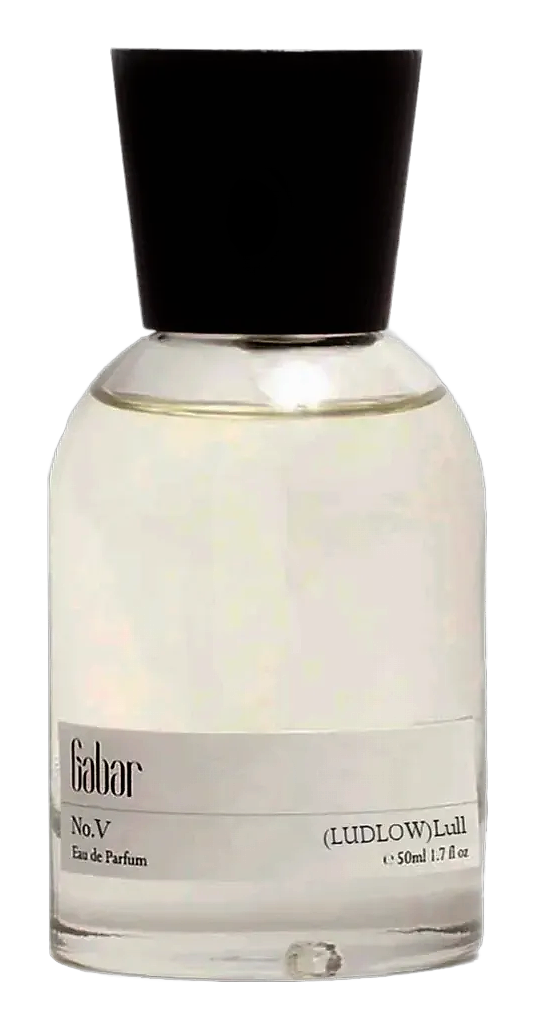
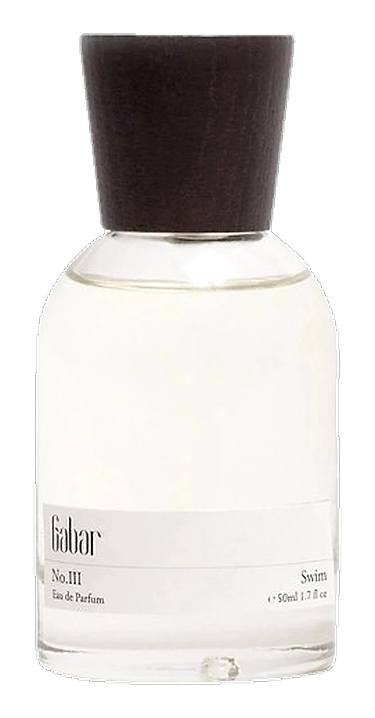
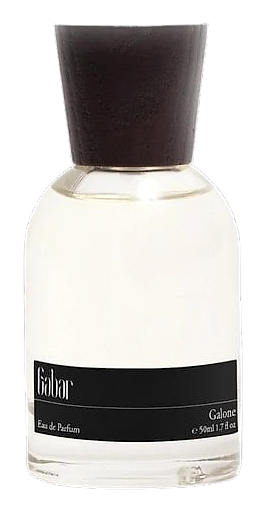
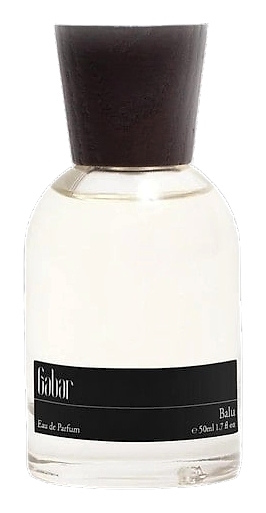
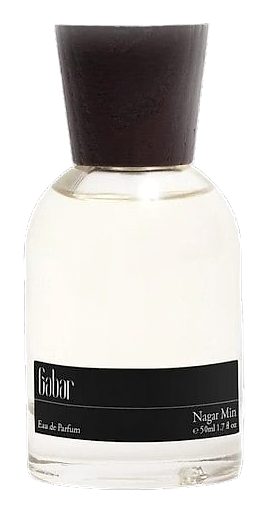
The story of Gabar begins in the tumultuous year of 2020, when two Burmese entrepreneurs, Phway Su Aye and Susan Wai Hnin, decided to turn their love of scent into a business. Both grew up hearing the aromas of Myanmar’s markets, temples and monsoon‑soaked forests, and they felt those memories deserved a contemporary expression. After relocating to London, they secured a modest studio in Oxfordshire where they could hand‑craft each fragrance. The brand’s first releases arrived in 2021: No. I Float, No. II Ground and No. III Swim, a trio that introduced the numbered‑series concept and signaled a commitment to narrative‑driven perfume. In 2024 the house expanded its palette with No. IV Rise (Nolita) and No. V (Ludlow) Lull, each referencing a specific locale while maintaining the brand’s core aesthetic. 2025 saw a rapid rollout of three new scents—Galone, Nagar Min and Balu—demonstrating Gabar’s growing production capacity and its willingness to explore new olfactory territories. Throughout its first five years, the brand has remained rooted in its Burmese origins while cultivating a global audience, a balance reflected in its tagline “Rooted in Asia, crafted in London, made for the world.” Gabar treats fragrance as a bridge between culture and contemporary life. The founders articulate a belief that scent can carry stories of place, so each perfume is built around a single reference point—a river, a street, a season—rather than a generic mood. Their creative process starts with field research: gathering local botanicals, listening to oral histories and noting the textures of everyday life in Myanmar. Once a concept is defined, the team translates it into a formula that respects both traditional ingredients and modern synthetic accords, ensuring the final scent feels authentic yet wearable. Gabar also emphasizes sustainability; the brand sources many raw materials from ethical farms in Southeast Asia and limits waste by producing in small batches. Transparency guides their communication, with the founders often sharing the inspiration behind each launch in interviews and social media posts. This open‑dialogue approach invites collectors to understand the narrative behind the bottle, not just the fragrance itself.