




Heritage
A house, in its own words
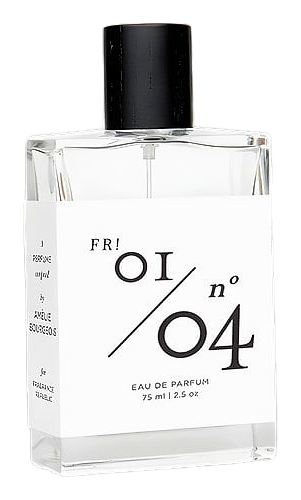
The founding of Fragrance Republic traces to the expertise of François Duquesne, who spent six years from 2002 to 2008 at the helm of L'Artisan Parfumeur, a house celebrated for its avant-garde approach to fragrance composition. His transition from managing a recognized niche house to establishing his own venture reflects a common trajectory among perfumery professionals seeking greater creative autonomy. Upon departing L'Artisan Parfumeur, Duquesne apparently spent time developing the concepts that would eventually become Fragrance Republic. The house materialized during a period when niche perfumery was gaining substantial momentum in the fragrance market, with collectors increasingly seeking alternatives to mass-market offerings. The brand's systematic numbering system for its fragrance series suggested an intellectual approach to scent, treating each release as part of a larger study rather than isolated product launches. This methodical presentation distinguished the house from brands relying on evocative storytelling or celebrity associations. Fragrance Republic operated on principles of restraint and intentionality in fragrance composition. The numbered naming convention reflected a desire to strip away marketing language and present each scent as a direct olfactory proposition. Rather than constructing elaborate backstories for each fragrance, the house let the raw materials speak through their compositions. The series titles such as Down In One and Magnol'art suggested playful subversion of traditional fragrance naming conventions, while the ingredient-focused names like Iris Safran, Lime Absolue, and Vapeur de Tubereuse signaled a commitment to transparency about a fragrance's primary olfactory character. This approach resonated with a segment of fragrance enthusiasts who had grown weary of opaque marketing claims and wanted a clearer understanding of what they were experiencing. The house appeared to value the conversation between perfumer and wearer, inviting individuals to form their own interpretations rather than prescribing emotional responses through advertising narratives.