









Heritage
A house, in its own words
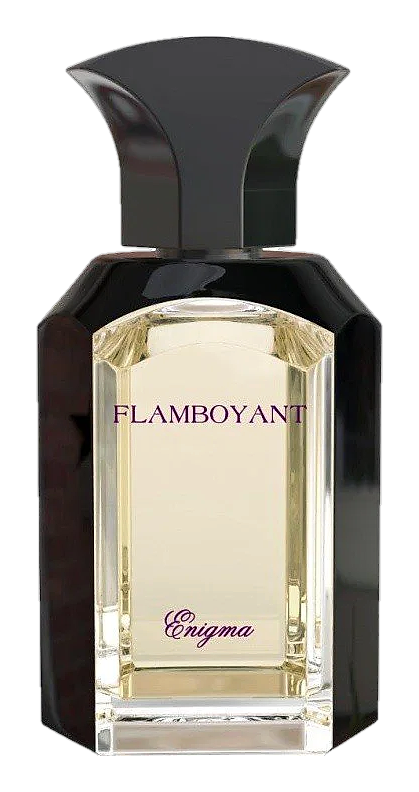
Flamboyant entered the niche market in the mid‑2010s, debuting with Party in the Night in 2016. The launch coincided with a resurgence of interest in limited‑run fragrances that emphasize storytelling over mass distribution. According to fragrance databases, the brand followed up with Wedding Day later that year, a scent that blends white florals with subtle amber notes, aiming to accompany ceremonial moments. In 2015, Flamboyant released Enigma, a composition that mixes spicy cardamom with a smoky oud heart, and Provocative Pink, a bright, sweet fragrance that leans on raspberry and vanilla. The brand’s catalogue grew to include Endurance (2015) and Tender, each reflecting a willingness to experiment with contrast. Although the founder’s name and exact founding year remain unconfirmed in publicly available sources, the pattern of releases suggests a strategic focus on annual or bi‑annual drops that keep the line fresh. Independent reviewers have noted that Flamboyant’s approach mirrors the broader shift in perfumery toward curated experiences, where each bottle tells a distinct story rather than serving as a generic offering. The brand’s limited online footprint points to a boutique distribution model, often partnering with specialty retailers and online platforms that cater to fragrance connoisseurs. Over the past decade, Flamboyant has maintained a steady output, reinforcing its identity as a daring, story‑driven house within the modern perfume landscape. Flamboyant frames its creative vision around the idea of vivid self‑expression. The brand states that each fragrance should act as a personal anthem, encouraging wearers to own their moments with confidence. This philosophy translates into a naming convention that favors bold adjectives and evocative nouns, such as Party, Enigma and Dignity. The house emphasizes authenticity, sourcing ingredients that balance synthetic vibrancy with natural depth. Flamboyant’s statements, found on its limited press releases, highlight a commitment to transparency in ingredient disclosure and to fostering a community of scent explorers who value narrative as much as aroma. The brand also promotes sustainability by selecting suppliers who adhere to responsible harvesting practices, especially for natural extracts like jasmine and sandalwood. While the company does not claim industry leadership, it aligns itself with the niche movement that prizes craftsmanship, artistic freedom, and a direct connection between perfumer and consumer. This approach resonates with collectors who seek fragrances that stand apart from mainstream trends, offering a personal soundtrack rather than a background scent.