







Heritage
A house, in its own words
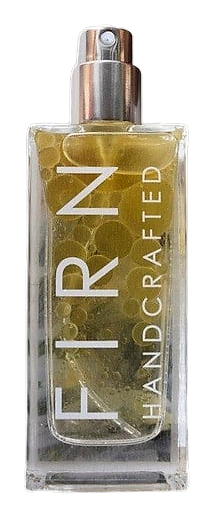
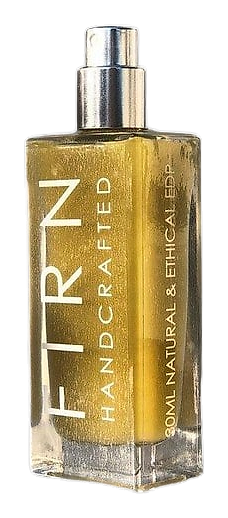
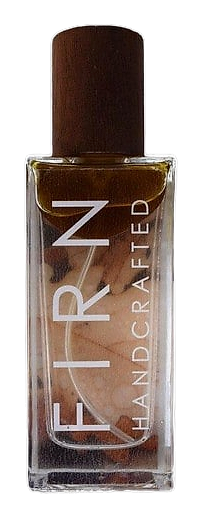
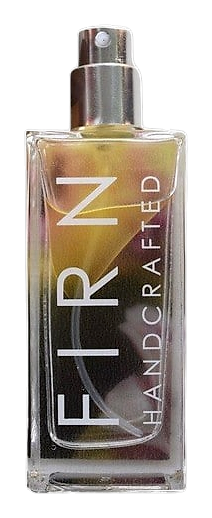
Firn Handcrafted grew out of founder Lisa Linder's fascination with the landscapes and plant life of Oregon's Pacific Northwest. Her path into fragrance began while working at the First Alternative Natural Foods Co-op in Corvallis, where she first started making natural fragrances. That early experimentation shifted her focus toward the materials of the region: spruce, ferns, moss, grasses, and the scents carried by forest air after rain. The studio's name reflects this origin. Linder created "Firn" as a portmanteau of "fern" and "fir," intending it as a tribute to the green bioregion in which the fragrances are handmade. She has described the mission in deliberately regional terms, saying the goal is to make Oregon and Pacific Northwest fragrances rather than simply to produce perfume. Firn Handcrafted later released a broader collection of botanical fragrances, with titles including Mer, Fresh Sweetgrass, Wood Smoke, Cascadia, Forage, Badlands, Daphne Odora, and Moss Collector all appearing in 2020, joining Golden Leaf and Cherry Blossom in the line. The brand has since become known as an Oregon indie perfumery with a distinctly place-based catalogue and a public presence at fragrance events, including meet-and-greet sessions where attendees can explore Linder's collection and sample the range. Firn remains closely identified with Corvallis and the wider Pacific Northwest, a connection that runs through the founder's career, the studio's location, and the terrain referenced in nearly every fragrance name. Firn Handcrafted builds its fragrances around a clear sense of place rather than a conventional marketing story of fantasy or glamour. The studio's stated ambition is to capture Oregon and the Pacific Northwest, and Linder frames this as a specific artistic brief rather than a general claim to naturalness. That brief shows in the catalogue's emphasis on regional vegetation and outdoor impressions, with names such as Wood Smoke, Moss Collector, Fresh Sweetgrass, and Daphne Odora pointing directly to landscape materials. The approach is also intentionally inclusive. Firn describes its fragrances as gender-inclusive and positions them as personal scents rather than accessories coded for a particular wearer. Another thread in the philosophy is curiosity about materials. Linder has written about the experience of smelling synthetic spruce oil and finding it less convincing than natural alternatives, which reflects a working method that evaluates aromatic sources on their own terms. This attitude extends to how natural fragrance is presented, with unusual and complex compositions treated as the point of the studio rather than a departure from it. The result is a small independent brand with a coherent regional identity, a plant-based ingredient list, and a catalogue that reads like a field guide to one part of the American Northwest.