Heritage
A house, in its own words
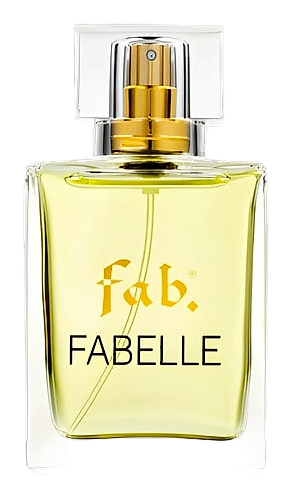
A reliable founding account for Fab. does not appear in the supplied research. It would therefore be misleading to assign the house a founder, headquarters, or earlier milestones without confirmation. The only securely documented brand-specific milestone is Fabelle, a fragrance associated with 2014. This places the named scent within the early twenty-first-century era of contemporary perfume, but it does not by itself explain how the house began or developed. Broader fragrance history offers a useful frame. Perfume has ancient roots, with archaeological finds on Cyprus pointing to aromatic preparations made roughly 4,000 years ago. Research also traces early fragrance use in Mesopotamia and Egypt, where scented materials formed part of ritual and daily life. The modern Western perfume industry took another decisive step in 1709, when Johann Maria Farina established his factory in Cologne and created the fragrance now recognized as Eau de Cologne. Later advances, including the use of synthetic ingredients in the late nineteenth century and the application of modern chemical principles to Chanel No. 5, reshaped how fragrance could be composed. Fab. enters this long, evolving tradition with Fabelle in 2014. Beyond that date, the supplied material does not verify any founding year, acquisitions, collaborations, awards, or expansions, so those points remain outside the established history of the brand. The supplied material does not include a documented statement from Fab. about creative intent, so a house philosophy should not be inferred from generic language about innovation or quality. Fabelle, launched in 2014, is the clearest available expression of the brand within the research. A fragrance introduced in that period belongs to a notably experimental chapter in perfume history. By the early 2010s, perfumers had access to natural aroma materials alongside synthetic ingredients developed over more than a century. Modern chemistry had changed the field, yet the emotional and cultural appeal of fragrance continued to depend on composition, balance, and the relationship between scent and the person wearing it. This broader history suggests a useful way to understand Fab., but not a proven company manifesto. The defensible position is deliberately restrained: Fab.'s documented creative footprint rests on Fabelle, and the house's wider values, olfactive signature, and approach to storytelling require further sourcing. Without a verified interview, product note structure, or first-party statement, claims about what Fabelle represents would remain speculative. Its date of release is a fact, not proof of a particular aesthetic or mission. Any fuller philosophy for Fab. should be grounded in information the house or independent specialists can confirm.