


Heritage
A house, in its own words
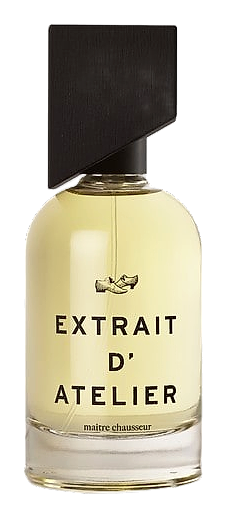
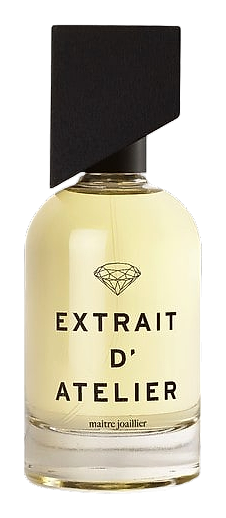
Extrait D'Atelier emerged from what Chiara Ronzani, its Italian founder, describes as a desire to create fragrances without gender distinction. Ronzani, born and raised in Italy, reportedly developed her approach to perfumery through her background in the country's rich tradition of artisanal work. Rather than positioning herself as a traditional perfumer with formal training from a prestigious fragrance house, Ronzani built Extrait D'Atelier as a creative venture rooted in Italian craftsmanship values. The house emerged during the mid-2010s growth of the niche fragrance market, when independent brands began challenging the established separation between masculine and feminine scent categories. Unlike heritage houses with centuries of documented history, Extrait D'Atelier represents a newer wave of Italian perfumery that draws on national traditions of skilled manual work while pursuing a more contemporary, inclusive vision. The brand's choice of the 'Maitre' naming system for its core collection suggests Ronzani's interest in honoring specialized expertise across trades, positioning perfumery as equal to other artisan disciplines rather than subordinate to fashion or luxury branding. Extrait D'Atelier operates on the principle that sophistication and class have no gender. This foundational philosophy shapes every aspect of the brand, from fragrance composition to marketing presentation. Rather than creating separate lines for men and women or marketingunisex scents as a compromise, the house treats genderless composition as an artistic stance. The name 'Extrait D'Atelier' itself references the workshop or studio, evoking the creative space where artisans practice their craft. This framing positions the brand firmly within the artisan tradition rather than the industrial fragrance world. The philosophy extends to how the house describes its creative process: as an exploration of human skill and artistry that transcends demographic categories. Each fragrance in the 'Maitre' collection corresponds to a different profession involving specialized knowledge and trained hands, suggesting that the perfumer sees herself as part of a broader community of makers. The genderless approach also reflects a broader shift in luxury goods marketing, where consumers increasingly resist being told which products suit them based on biological sex.