








Heritage
A house, in its own words
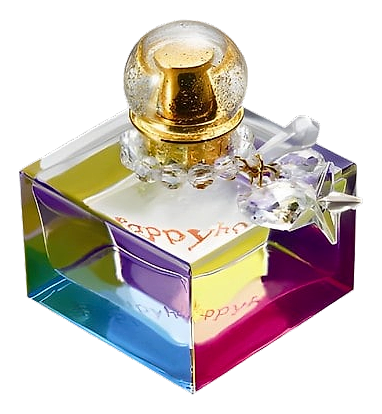
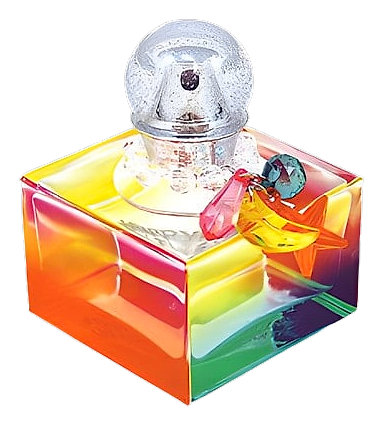
Expand emerged as part of a wave of Japanese novelty and lifestyle fragrance brands that flourished in the mid-2000s. The brand's catalog began with Love & Peace in 2006, followed by Magic to Love the next year, signaling an early pattern of releasing umbrella fragrance concepts that were then iterated through numbered or themed editions. Between 2006 and 2011, Expand produced at least a dozen named fragrances, including Love & Peace II (2007), Magic to Love Sakuraberry 2007, Happyholic 2 On The Earth (2009), Love & Peace Cross (2010), and Love & Peace Brave (2011). The brand also experimented with seasonal and anniversary naming, such as Magic to Love Sakuraberry 2008, Hug Me (2008), and Love & Peace Limited (2008). Limited information exists about Expand's corporate origins, founders, or parent company in publicly available independent sources, making its institutional history difficult to trace. What stands out from the record is a consistent output cadence, with multiple new releases each year, suggesting the brand operated within a structured creative and commercial pipeline typical of Japanese lifestyle product companies during that period. By the early 2010s, the pace of catalog additions appears to have slowed based on available records, though no formal closure or restructuring has been confirmed. Expand's creative philosophy reads as concept-first. Rather than building around a single olfactory signature, the brand seems to have treated each fragrance line as its own small world, complete with its own naming logic, emotional pitch, and target occasion. The Love & Peace series, spanning at least four distinct editions from 2006 to 2011, gestures toward themes of unity and optimism. The Magic to Love line, including multiple annual Sakuraberry editions, leans into seasonal romance and Japanese spring imagery, with cherry blossom motifs appearing in both the naming and the product positioning. Releases like Happyholic 2 On The Earth and Hug Me suggest a willingness to follow emotional and sensory cues wherever they lead, rather than adhering to a rigid house style. This approach mirrors a broader trend in Japanese consumer goods during the 2000s, where brands favored variety, limited runs, and emotional storytelling over consistency. The result is a catalog that rewards exploration rather than brand loyalty, with each release feeling like a self-contained creative statement.