
Heritage
A house, in its own words
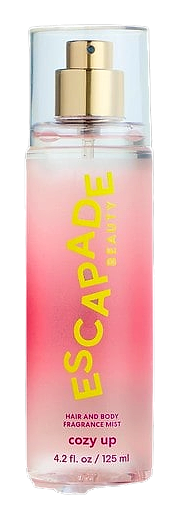
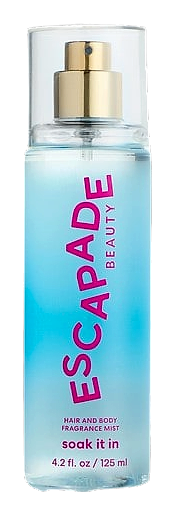
Escapade Beauty’s story begins with Elliana Walmsley, who is publicly identified as the brand’s founder. Walmsley has described the venture through personal content, including a “Founder’s Journey” video shared under her own name and a post introducing her founder story on Instagram. That makes her role visible, although the available research does not establish a formal founding date, original location or earlier career history for the label. The brand emerged as a creator-led fragrance project, with its identity closely tied to Walmsley’s own presentation and social following. Public descriptions frame Escapade as an invitation to experience fragrance through a personal narrative, a theme repeated in the name itself and in the phrase “LiveYourEscapade.” Its early public milestones are therefore tied to digital storytelling and the release of its first named scents rather than a documented lineage of perfume houses, historic formulas or generations of makers. So Alive, Cozy Up and Soak It In are all listed as 2025 fragrances, marking the clearest documented stage in the company’s short history. The research does not confirm earlier releases, acquisitions, collaborations or changes in ownership. Escapade Beauty’s creative vision is built around fragrance as a form of personal narrative. The brand’s public language emphasizes bold choices, adventure and an unfiltered relationship with the wearer. Instead of positioning scent solely as a decorative finishing touch, this approach treats it as something that can reflect a mood, mark a moment or accompany a change in routine. The name Escapade carries the same sense of movement, while Walmsley’s social presentation gives the label a close connection to creator culture and personal storytelling. The brand’s fragrance names support this philosophy by naming recognizable gestures or states, such as feeling alive, becoming cozy or taking time for oneself. That vocabulary places emotional association ahead of a strict ingredient or family classification. The available material presents the brand as expressive, accessible and participatory, but it does not provide a detailed statement of perfumery principles, formulation standards or sourcing commitments. The philosophy is consequently best understood through the brand’s language and the naming of its products, not through a documented technical manifesto.