



Heritage
A house, in its own words
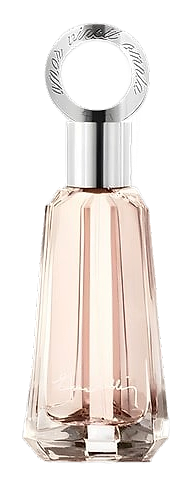
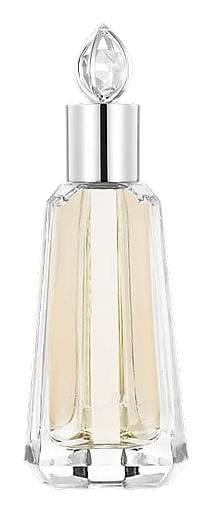
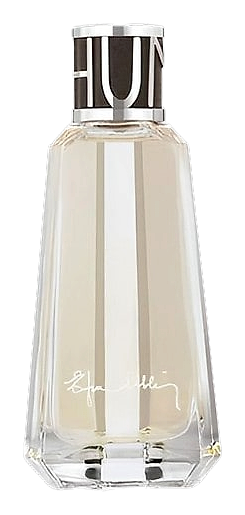
Efva Katarina Attling was born on 18 February 1952 in Sweden. Her creative life began in fashion rather than craft: she was discovered by Eileen Ford, founder of Ford Models, which brought her assignments across Paris, Milan, London, and New York through the late 1960s and 1970s. That early immersion in image-making shaped her understanding of how objects communicate. By the mid-1990s she had shifted toward silversmithing, and her jewelry label, Efva Attling Jewelry, launched in Sweden in the early 2000s and steadily expanded across Scandinavian markets. Her entry into fragrance came later, with her debut scent Amor Vincit Omnia No 1 released in 2013. She followed it with a tightly held collection of personal compositions, culminating in Captured Harmony in 2018. The perfume branch of her work is a continuation of a creative practice that began at the workbench and the runway, evolving into a multi-sensory vocabulary that bridges jewelry and scent. Across three decades, Attling has built a reputation rooted in Nordic craftsmanship, editorial sensibility, and a refusal to separate art from wearability. Attling's approach to fragrance mirrors the philosophy she has applied to jewelry for decades: every detail should carry meaning, and no element should be arbitrary. Her collections often begin with a feeling, a symbol, or a fragment of personal history, and the resulting object, whether a pendant or a perfume, is meant to translate that interior moment into something wearable. She has spoken about scent as one of the most intimate forms of self-expression, because fragrance enters the body and the memory in ways that visuals cannot. This perspective informs a perfumery practice that is unhurried and selective. Rather than producing a wide catalog, Attling has released only a handful of fragrances, each tied to a specific thought or collaboration. The aim is resonance over reach. Her work suggests that luxury is not declared but discovered quietly, piece by piece, through objects that ask to be lived with rather than simply displayed.