



Heritage
A house, in its own words
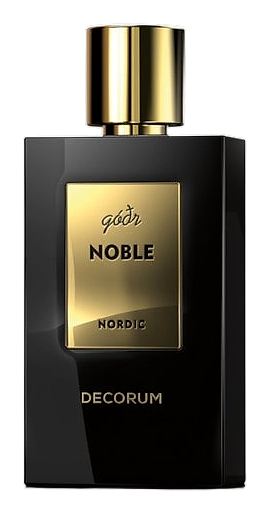
Decorum Stockholm appears to be a comparatively young entrant in the Swedish fragrance landscape. The available brand record identifies six notable fragrances, Wise Black, Wise White, Sovereign Black, Sovereign White, Noble White, and Noble Black, and dates all six to 2018. That shared date suggests the best-documented moment in the house history is the launch of a coordinated fragrance family rather than a long sequence of individual releases. The research supplied does not establish a founder, founding date, company registration, or an earlier studio history, so those details remain unconfirmed. This is important context because Sweden has a much older relationship with perfumery than the Decorum record itself reveals. Swedish fragrance-making during the 18th century drew on the country’s cultural and botanical traditions, while Stockholm later became a setting for several modern scent houses. Decorum Stockholm seems to belong to that later Stockholm tradition, using the city’s name as an immediate marker of place. Its compact range also reveals a deliberate design decision. Rather than documenting a vast catalogue, the available record foregrounds names that form a series of tonal opposites, Wise against Sovereign, Noble against Black and White. The resulting identity is structured and selective. Based on the verified information, Decorum Stockholm’s story begins with a 2018 collection built around names, colors, and distinctions. Decorum Stockholm’s creative idea is most clearly expressed through naming. Wise, Sovereign, and Noble are qualities associated with judgment, authority, and character. Pairing them with Black and White creates a simple visual and conceptual code that distinguishes each scent without relying on elaborate descriptive language. That approach suggests that fragrance is being treated as an object of personal design. A wearer can select a quality and a tonal register, creating a composition that feels considered and exact. The house name, Decorum, also points toward order, dignity, and appropriate form. Used carefully rather than as a marketing claim, that idea gives the brand a composed voice, one that favors restraint, clarity, and deliberate contrast. The supplied research includes broader accounts of Swedish perfumery and contemporary Stockholm fragrance culture, but no Decorum interview or manifesto that confirms a detailed ingredient philosophy, sourcing policy, or creative process. It would therefore be misleading to attribute specific values such as sustainability, natural-only formulation, or small-batch production to the house. What can be supported is the observable structure of the range. Six linked names, a shared launch year, and a strict color framework create continuity between scent, language, and identity. Decorum Stockholm presents perfumery as a matter of choosing a distinct mode of self-expression and placing it within a coherent visual system.