

Heritage
A house, in its own words
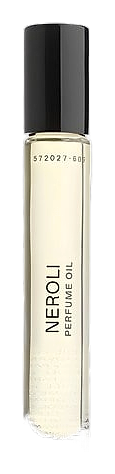
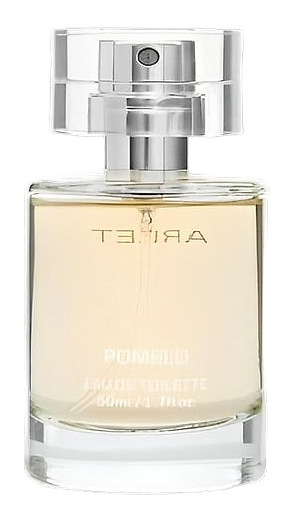
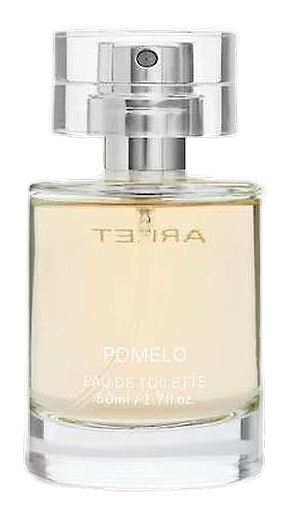
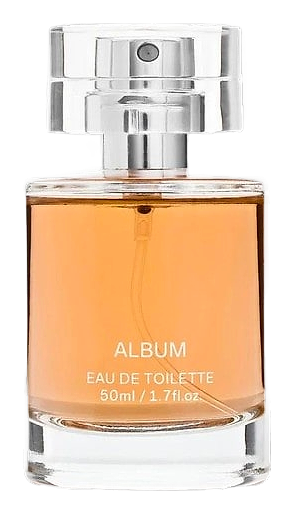
ARKET was founded in Stockholm in 2017 by former H&M group chief executive Karl-Johan Persson, Helena Persson, and CEO of Hennes & Mauritz Bengt Fransson. Their aim was to create a fashion house with a Swedish identity, broad wardrobe, and a more personal relationship to the communities around it. The name combines “ark,” Swedish for “arch,” with “et,” French for “and,” reflecting the house’s effort to bring different cultural references into conversation. ARKET opened its first store on Regent Street in London, with the Stockholm flagship and online launch forming part of the public introduction that same year. Its scent programme did not arrive as an isolated luxury-perfume extension. According to ARKET’s account of its early development, the signature bath and body series was conceived in the years leading to the launch, taking inspiration from the gardens of the International Perfume Museum near Grasse. This connection helped establish fragrance as part of ARKET’s wider approach to materials, nature, and daily rituals from the beginning. Geranium, Neroli, and Oakmoss emerged in 2019 as part of the first documented scent group. Pomelo appeared in the 2026 listing, alongside Washi and Album, showing how the brand continues to add distinct ingredient-led and textural compositions to its fragrance range. The company is now associated with Stockholm, Sweden, while its collection is distributed through ARKET’s own retail and online channels. ARKET treats scent as a way to register where a feeling, material, or memory comes from. Its editorial notes describe fragrance as an invisible link between the physical character of nature, remembered places, and lived experience. This is why a single idea often sits at the centre of each composition: geranium can evoke the green, leafy surface of a plant, oakmoss can call attention to a damp forest floor, and neroli can carry the brightness associated with citrus blossom. The approach avoids the idea that fragrance must always be built around narrative spectacle. Instead, ARKET makes scent legible through texture, colour, and atmosphere. Its bath and body range is designed for repeated use, placing scent within ordinary routines such as washing, dressing, and moving through the day. The idea also supports the brand’s emphasis on inclusive, unisex fragrance. Rather than assigning a scent to a fixed gender, ARKET presents materials and their impressions without insisting on a narrow wearer. Across its fashion and fragrance work, the house values useful beauty, material awareness, and a calm relationship between Scandinavian restraint and wider cultural references. The result is less about declaring a dramatic new identity than allowing a chosen material, with its own associations, to shape the mood.