






Heritage
A house, in its own words
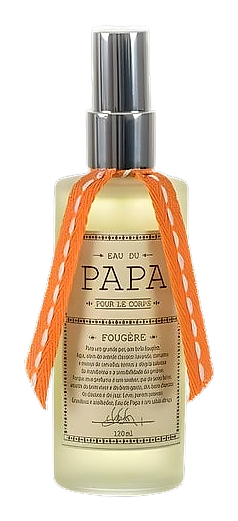
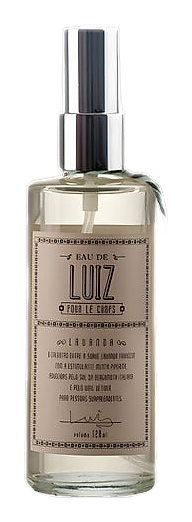
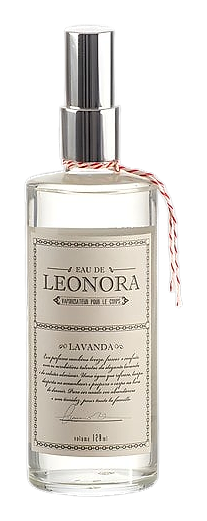
The heritage of Eaux Parfums draws from the broader tradition of French perfumery, which established itself as a distinct craft during the late seventeenth and eighteenth centuries. French perfumers began formalizing their art when court perfumer Pierre Delaville began supplying scented gloves to King Louis XIV around 1656. The emergence of Grasse as a center for fragrance production, initially serving the tanning industry, gradually transformed the region into the epicenter of French perfume manufacturing. By the eighteenth century, French perfumers had developed techniques for extracting fragrances from flowers that enabled more complex and lasting compositions. The naming convention employed by Eaux Parfums, using the classical 'Eau de' structure followed by personal names, references this tradition of intimate, personal fragrance creation. The house appears to position itself within this lineage of French perfume houses that prioritized craftsmanship and personal connection over mass commercial appeal. The specific origins and founding details of Eaux Parfums as a distinct entity remain somewhat unclear in available sources, but the brand's approach aligns with historical French perfumery traditions of creating individualized scent experiences. The philosophy underlying Eaux Parfums appears centered on accessible elegance and personal expression through scent. The house seems to embrace the French perfumery tradition of creating distinctive fragrances that serve as individual signatures rather than generic commercial products. Each fragrance in the collection carries its own character, from the fresh aromatic approach of Thé a La Menthe to the more complex floral arrangements found in Maman Fleur. The personal naming convention suggests an intention to create emotional connections between wearer and scent, inviting individuals to find their own narrative within each composition. The brand maintains a relatively modest profile within the fragrance landscape, focusing on the quality and character of individual scents rather than extensive marketing narratives. This approach echoes the philosophy of established French houses that prioritized the integrity of their formulations over promotional spectacle. The range of releases across nearly a decade, from 2014 through 2024, indicates a measured creative pace that allows for considered formulation rather than rapid product turnover.