Leonora Nogueira
Leonora Nogueira traded the precision of fashion production and the intimacy of jewelry design for something far more ephemeral. Trained in Visual Arts at the Universidade Federal de Goiás in Brazil, she brought a distinctly Brazilian creative sensibility into the world of fragrance, where she works as what the industry calls a perfume editor. Her background in two very different creative disciplines gave her an unusual perspective on scent: she understands form and material from jewelry, movement and timing from fashion production, yet channels all of it into something you cannot touch at all. What drew her toward perfume remains the most interesting part of her story. Unlike perfumers who arrive through chemistry or cosmetics, Nogueira came through art, which means she likely thinks about fragrance as a composition before she thinks about it as a product. That artistic entry point shapes everything about how she approaches the craft, keeping her work grounded in creative intuition rather than market formulas.
The hits
Notable creations
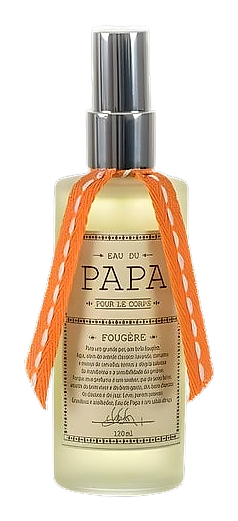

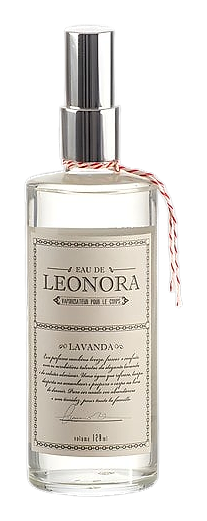
The signature
How Leonora composes
Without public fragrance releases to analyze, her stylistic signature remains somewhat private, though her background offers clues. Jewelry design demands an understanding of scale and proportion, of how a small detail carries weight in a larger composition. Fashion production requires knowledge of movement and wearability. Combined with her Brazilian roots, this likely points toward fragrances that balance intimacy with boldness, restraint with warmth. She probably favors ingredients that tell stories rather than dominate attention, and compositions that reveal themselves gradually rather than announce themselves immediately.
Philosophy
What drives Leonora
Nogueira speaks about fragrance the way a film director might discuss casting: every note has a role to play, and the magic lives in how they share the screen. Her approach treats perfume as an editorial act rather than a manufacturing one. She selects and arranges rather than invents from scratch, which suggests a perfumer who believes that restraint and point of view matter more than complexity or sillage numbers. The influence of her Visual Arts training runs through this philosophy like a thread. She likely asks not just what a fragrance smells like, but what it communicates, what mood it creates in a room, what version of someone wearing it emerges. That kind of thinking separates perfume as commercial product from perfume as cultural object.
The houses