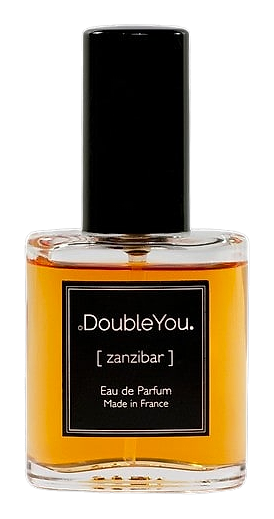
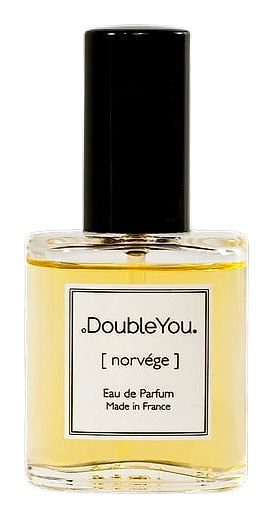
Heritage
A house, in its own words
Cathrine Røsseland founded DoubleYou in 2010 in Norway, building the company as an independent design brand rather than a conventional perfume house. Trained in design, Røsseland brought a product-maker's sensibility to fragrance creation from the outset, treating scent as one discipline among several within a broader studio practice. The brand's first two fragrances, Zanzibar and Norvege, both appeared in 2010, a confident debut that announced the company's interest in geographically and atmospherically distant references. By releasing a warm, spice-tinged composition like Zanzibar alongside a composition named for Norway itself, DoubleYou signaled a creative range that resists easy categorization as either Nordic or exotic. Operating independently and at a small scale, the company has continued to develop its catalog without the distribution infrastructure of larger houses, a choice that has kept Røsseland closely involved in each release. The Norwegian design community has taken notice of the brand's cross-disciplinary approach, which treats fragrance bottles, packaging, and naming as part of the same conversation as the liquid inside. Over more than a decade, DoubleYou has remained a single-designer enterprise, a rarity in a category dominated by corporate-owned heritage houses. DoubleYou treats fragrance as a design discipline, not a luxury commodity. Røsseland's creative vision begins with place: Zanzibar and Norvege, the house's two founding compositions, take their cues from specific geographies and the sensory textures associated with them, from coastal light to tropical warmth. The studio operates on the conviction that small-batch production allows a level of intention and refinement that mass manufacturing cannot replicate. Each composition is developed as an individual project with its own conceptual brief, rather than as a variation on a house signature. This project-based model gives Røsseland the freedom to explore unfamiliar material territory with each release, while the Norwegian design context keeps the overall output measured and considered. The brand resists the seasonal release calendar that drives much of the commercial fragrance industry, preferring to bring new work forward only when it is genuinely ready.