
The Story
Why it exists.
The beginning
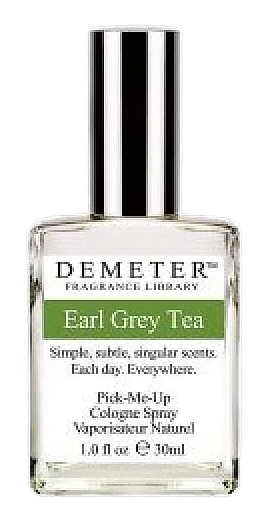
Christopher Brosius built Demeter on a radical idea: name a fragrance after what it actually smells like. Tomato Leaves. Dirt. Rain. Earl Grey Tea follows the same logic, it's bergamot and black tea, nothing invented, nothing hidden. No metaphor. No abstraction. Just the drink, made liquid. Brosius wasn't interested in creating scent illusions; he wanted to hand you a specific memory, a specific moment, and let you decide what it means to you.
Two notes. That's it. Bergamot and black tea, stacked in a cologne concentration that keeps things light and immediate. No base notes to anchor the drydown, no heavy woods or musks to extend longevity. What you get is exactly what's in the bottle, the citrus opening takes center stage, bright and unadorned, while the tea whispers underneath. The simplicity here is the point. Demeter's transparency means each ingredient gets examined on its own terms, not buried in a pyramid of supporting players. Bergamot doesn't have to fight for attention. Black tea doesn't have to perform. They just coexist.
The evolution
The opening is all bergamot, crisp, almost sharp, like citrus zest hitting the air. Clean and immediate. Within minutes, the black tea begins to surface, threading through the brightness with a subtle astringency that softens the edges. Not warmth exactly, but a quiet depth. As the citrus fades over the next hour, the tea becomes the quiet anchor. It doesn't transform dramatically. It just settles, becoming more familiar, more skin-like. The drydown is minimal, a faint trace of bergamot and tannin, close to the skin, intimate by nature rather than by design.
Cultural impact
Earl Grey Tea fits squarely within Demeter's democratic philosophy, an accessible entry point for the smell-curious, priced to encourage experimentation rather than reverence. It's the fragrance for someone who wants to smell like a specific moment, not a mood, embodying the brand's commitment to real-world scents with honesty.