Heritage
A house, in its own words
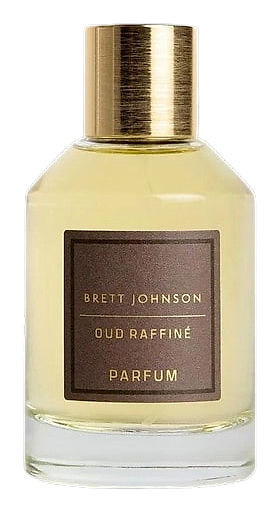
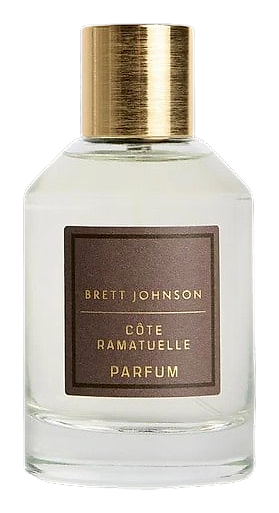
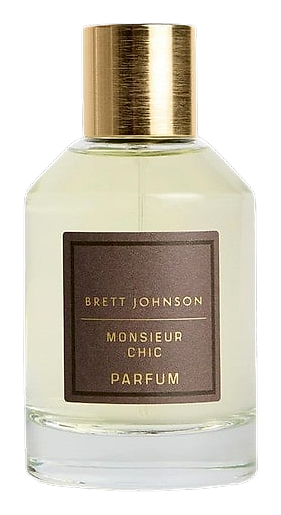
Brett Johnson’s history begins in fashion. The designer established a menswear label known for a relaxed, refined approach to dressing, combining family experience with his own perspective on tailoring and design. His work has been recognized as part of a broader effort by Black designers to build independent fashion businesses with a strong point of view. That fashion foundation now extends into fragrance, where Johnson has pursued a similarly personal vocabulary. His introduction to perfumery was not simply a commercial expansion. Johnson has spoken about his early ambition to make scents that were frightening, diabolical, and even unwearable, using simple formulas to challenge the idea that fragrance must always be smooth, familiar, or immediately agreeable. The story behind the first collection carries its own emotional dimension. According to Our House, the project began after Johnson travelled to Grasse with his late wife, Sarah. Grasse, in southern France, is closely associated with the history of modern perfumery, and the trip became a reference point for the fragrance project. Johnson later worked with French perfumer Claudine Roublot to translate this personal history into his first three releases. The resulting collection, Oud Raffiné, Côte Ramatuelle, and Monsieur Chic, debuted in 2025. Reporting from 10 Magazine describes the launch as a first fragrance range developed with Roublot and offered exclusively through Galeries Lafayette. The early stage of Brett Johnson Parfums therefore connects the designer’s established fashion career with memory, place, and a willingness to make perfume less predictable. Brett Johnson approaches fragrance as a continuation of design, but not as a simple accessory to clothing. His initial ambition was intentionally confrontational. He wanted perfumes with a strong presence, describing early ideas as frightening, diabolical, and unwearable. That phrasing suggests an interest in scent as an independent creative force, one that can disturb, provoke, or divide opinion rather than merely complete a polished look. The approach is also rooted in personal association. The Grasse journey with Sarah gave the project an emotional starting point, while the names of the first scents point to atmosphere and material: oud, a coastal-looking reference in Côte Ramatuelle, and the poised identity of Monsieur Chic. Working with Claudine Roublot gives the collection a French perfumery connection, while Johnson remains the creative author behind its identity. The available interviews do not reveal a detailed philosophy of note construction, so it would be inaccurate to assign a specific method such as minimalism, maximalism, or a particular school of perfumery to the house. What is clear is the desire to make fragrance expressive and memorable. Johnson’s fashion background supports a wardrobe-oriented perspective, but his stated interest in difficult, unusual scents suggests he wanted to push beyond familiar codes of elegance. The first collection can therefore be read as a meeting point between personal narrative, French collaboration, and a deliberately opinionated definition of what a fragrance can communicate.