












Heritage
A house, in its own words
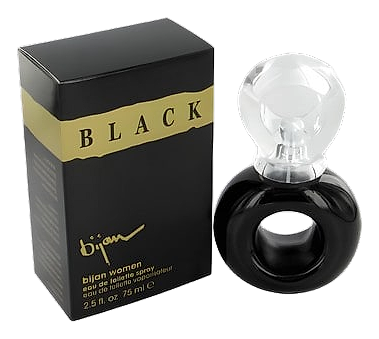
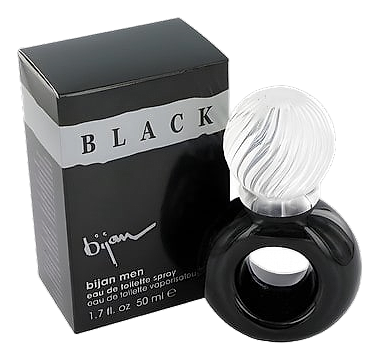
Bijan Pakzad arrived in the United States in 1973, bringing with him a vision shaped by his Iranian heritage and an appetite for uncompromising quality. Within three years of settling in Los Angeles, he established the House of Bijan on October 27, 1976, opening a showroom on Rodeo Drive that would become legendary for its exclusivity. The store operated strictly by appointment, a model that reinforced the brand's positioning as a destination for discerning clientele including heads of state, entertainment royalty, and business leaders. Pakzad understood that scarcity created desire, and his single-location empire generated annual revenues reportedly exceeding those of multi-door boutiques elsewhere. The designer became known for his willingness to dress clients completely, from tailored suits to配套 accessories, creating a holistic aesthetic that his fragrances would eventually mirror. In 1981, Pakzad made his entry into fragrance with a men's scent presented in signed and numbered Baccarat crystal flacons, signaling immediately that Bijan would not compete on volume but on distinctiveness. The eponymous Bijan fragrance followed in 1986, with Bijan Men arriving in 1987 as an Amber Fougere that would become a signature for the house. Throughout the 1990s and 2000s, the brand expanded its olfactory portfolio with releases like DNA in 1993 and a series of flankers including Bijan Black for Men in 2005 and Bijan Nude Men in 2007. Pakzad continued directing the house until his passing in 2011, leaving behind a legacy of uncompromising personal service and distinctive luxury. Bijan Pakzad built his house on a philosophy of total immersion in the client's aesthetic life. Where other designers offered pieces, Pakzad offered complete wardrobes, a system that meant every garment, accessory, and fragrance worked in concert. This holistic approach extended naturally into fragrance creation, where he reportedly insisted that a scent must express the same confidence and presence as a perfectly tailored suit. Pakzad rejected the notion that luxury meant invisibility. His designs and fragrances aimed for impact, for memorability, for the kind of impression that opened doors and commanded rooms. He spoke openly about dressing world leaders and Hollywood icons, not as a boast but as validation of an aesthetic philosophy that prioritized the transformative power of personal style. In fragrance, this translated to compositions that did not whisper. The Bijan house fragrances from the 1980s and 1990s featured prominent animalic notes, rich florals, and assertive woods that positioned the wearer rather than merely complementing them. Pakzad reportedly believed that a fragrance should announce arrival, not merely accompany presence. This confidence bordering on theatricality distinguished Bijan from contemporaries who favored subtlety and restraint. The house maintained its convictions despite fashion's shifting tides, continuing to produce bold fragrances long after the industry moved toward lighter, more ephemeral trends.