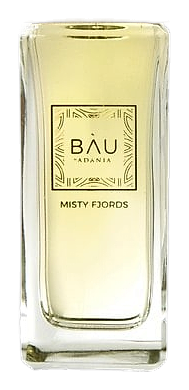

    BAU

    BAU is a niche fragrance house whose catalog leans into landscape-inspired composition. Two releases anchor its identity: Lost In The Desert (2018) and Misty Fjord (2018), both named for starkly different natural environments. With a focused portfolio and no publicly linked perfumers, the brand operates in a space between artisan experimentation and conceptual storytelling, inviting wearers to associate scent with geography and atmosphere.

    UnknownEst. 2018
    1
    Fragrances
    4.7
    Avg rating
    Shop the collection
    SignatureMisty Fjord
    Misty Fjord
    EDP
    Community
    4.7
    Average rating
    across 1 fragrances
    Collection
    1
    Fragrances and counting
    Heritage
    2018
    Founded in Unknown

    Most loved

    Bestsellers from BAU

    Misty Fjord by BAU
    BAU
    Misty Fjord
    4.7
    Compare prices
    Coming soonLost In The Desert by BAU
    BAU
    Lost In The Desert
    4.5
    Coming soon

    Fresh in

    New from the house

    Misty Fjord by BAU
    BAU
    Misty Fjord
    4.7
    Compare prices
    Coming soonLost In The Desert by BAU
    BAU
    Lost In The Desert
    4.5
    Coming soon

    All BAU fragrances

    1 total

    1

    Heritage

    A house, in its own words

    BAU occupies a quiet corner of the independent fragrance world, and the details of its founding remain largely undocumented in major industry publications. What is verifiable is its launch year of 2018, when two debut fragrances, Lost In The Desert and Misty Fjord, appeared on the market. The brand's name, referencing the German word for 'construction' or 'building,' suggests a deliberate architectural approach to perfume as a discipline. Without a widely reported founder biography or corporate parent in available sources, BAU's history is best understood through its output: a pair of contrasting releases in a single year that framed the brand's early identity around environmental storytelling. The absence of a linked perfumer in industry databases is notable, pointing either to a small creative team or to unrepresented noses working under the BAU label. As a young house, BAU's heritage is still being written, and its 2018 double launch remains the most concrete historical anchor available. BAU's creative vision appears rooted in the correspondence between scent and place. The brand's two known fragrances, Lost In The Desert and Misty Fjord, suggest a curatorial philosophy that draws inspiration from extreme and contrasting landscapes, one evoking aridity and heat, the other cool mist and glacial water. This geographic duality points to a conceptual approach where the natural world functions as the primary creative brief. The German etymology of the name, meaning 'construction' or 'build,' implies a structured methodology: building each fragrance from foundational accords upward, rather than chasing trends. For a house with no publicly named perfumer, the philosophy seems to prioritize the experience of the wearer encountering a specific environment through scent, turning fragrance into a form of geographic transport.

    2018
    Release of Lost In The Desert, BAU's debut fragrance inspired by arid landscapes
    2018
    Release of Misty Fjord, a companion launch evoking cool Nordic waterways
    2018
    Establishment of BAU as an active niche fragrance house with a dual-release debut

    The noses

    Perfumers behind the house

    Did you know?

    Interesting facts

    01

    BAU launched not with a single debut fragrance but with two contrasting releases in the same year, an uncommon move that immediately established a thematic range.

    02

    The brand name derives from the German word for 'construction' or 'building,' implying an architectural mindset applied to composition.

    03

    Despite operating since 2018, no perfumers are publicly credited in major industry sources for BAU's fragrances.

    04

    The two known BAU fragrances, Lost In The Desert and Misty Fjord, represent dramatically opposing climates, heat and aridity versus cold and moisture, suggesting environmental polarity as a creative engine.