The Story
Why it exists.
The beginning
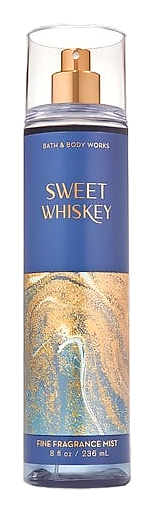
Bath & Body Works built its name on the idea that great scent shouldn't wait for a special occasion. Sweet Whiskey takes that philosophy and applies it to one of perfumery's more intimidating categories. Whiskey notes carry weight. They suggest old bars, leather chairs, something earned. The name Sweet Whiskey is a repositioning, it says, come as you are. The brand didn't want a fragrance for people who already know whiskey. They wanted one for everyone who wants what whiskey smells like: warmth, depth, a little bit of edge.
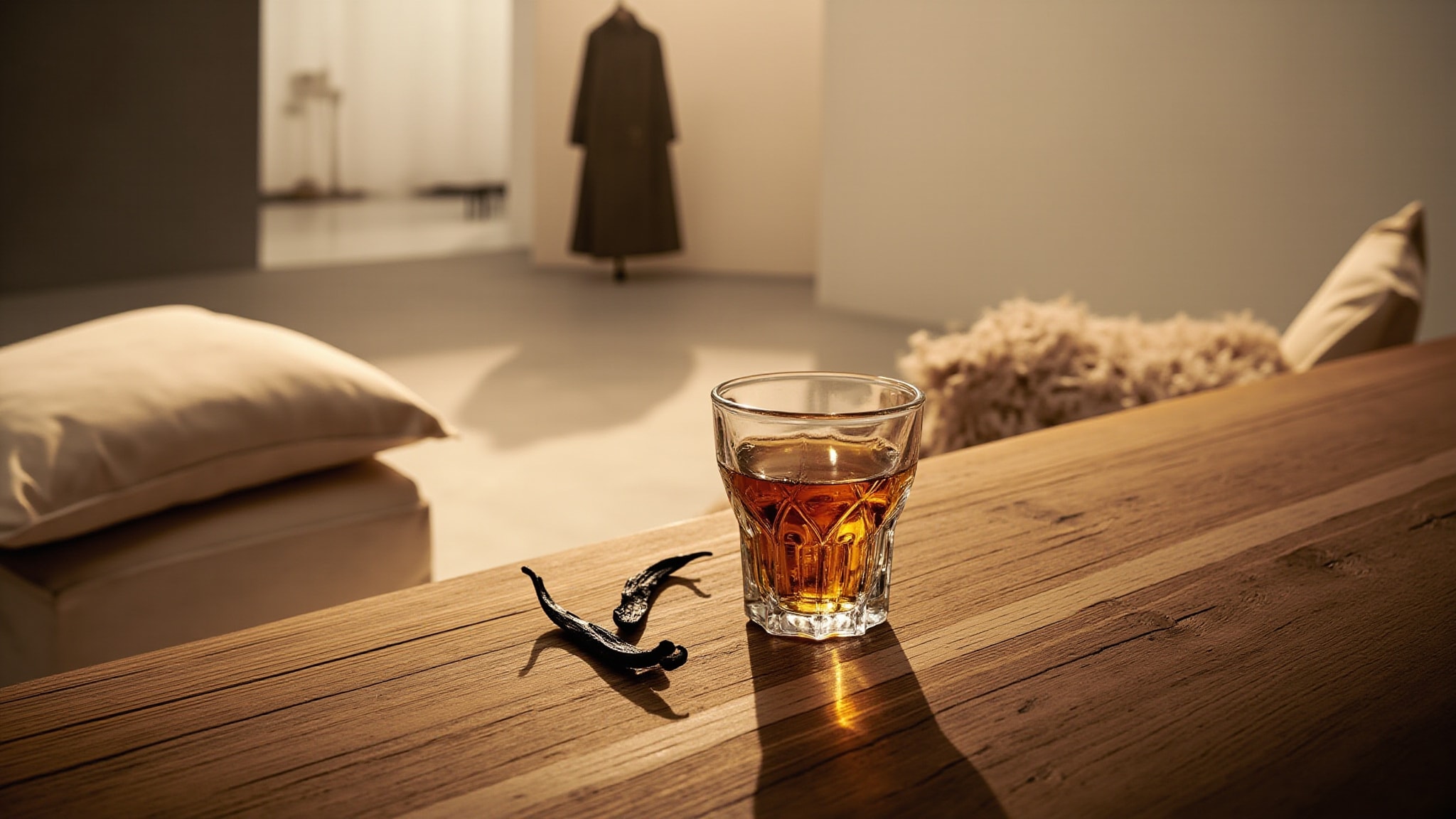
What makes this composition work is the ratio. Whiskey opens bright and sharp, that grain-alcohol brightness that announces itself without apology. Amber oil doesn't fight it. Amber oil wraps around the whiskey and says, settle down. Then vanilla enters, and the whole thing tilts sweet. Red berries don't charge in. They arrive quiet, late to the party, there to make sure nobody leaves dissatisfied. The result is a fragrance that wears its name honestly but doesn't lean on it. It's whiskey-adjacent, not whiskey-obsessed.
The evolution
The opening lasts maybe ten minutes, bright, almost effervescent, the whiskey note doing its work before it has time to feel harsh. Then amber takes over, and everything slows down. The vanilla arrives soft, not cloying, and for the next two to three hours the fragrance reads as warm and sweet with a woody backbone you can feel if you pay attention. By hour four, it's close to the skin. By hour five or six, it's a memory, the kind that makes you catch your wrist and wonder what you were wearing earlier. On some skin, it fades faster. On others, it holds steady through an entire workday. The red berries thin out as it dries, leaving a quiet powderiness that lingers closest to the skin.
Cultural impact
Sweet Whiskey found its audience among people who wanted the aesthetic of whiskey, warmth, depth, a hint of edge, without the commitment of actually smelling like a bar. It became a staple in the Signature Collection, recommended by associates who learned that not every customer who asked for 'something warm' wanted florals. The fragrance performs consistently across seasons but skews toward fall and winter wear, which aligns with how the brand positions it: cozy, approachable, and ready for the rituals of cooler months.