
Heritage
A house, in its own words
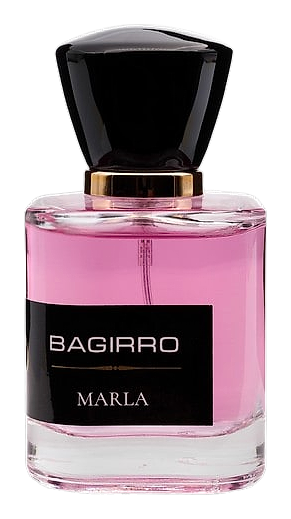
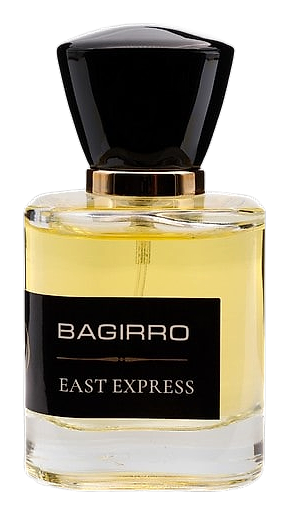
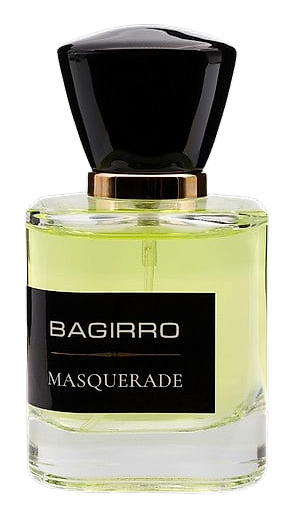
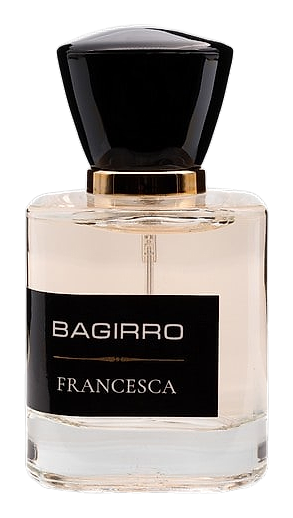
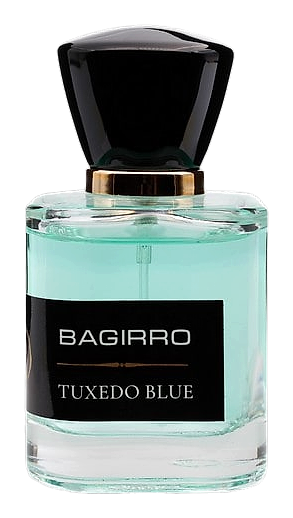
The available record presents Bagirro as a fragrance house that emerged with a concentrated group of releases in 2019. Six perfumes are listed in the catalogue, each carrying that year: East Express, Marla, Red Leather, Francesca, Masquerade and Tuxedo Blue. This shared date gives the range a clear debut moment, even though it does not establish when the company itself was founded. Much of the supplied research concerns the wider history of perfume, including the Fragrance Foundation and historical accounts of fragrance-making, but none of those references documents Bagirro's development. The unrelated Houbigant material offers a useful reminder that longevity must be demonstrated through consistent evidence, not inferred from historical language. For Bagirro, no such long institutional history has been verified. The reliable account is therefore brief but specific: a six-fragrance lineup surfaced in 2019, with names that frame scent as part of travel, clothing, social identity and style. The record does not confirm a founder, founding city, earlier incarnation or rebrand, so none is assigned here. Similarly, no annual marks, collaborations or acquisitions can be verified. Bagirro's heritage at present lies in a distinct opening chapter defined by several releases sharing the same year, not in an established multi-generation story. Bagirro's naming makes scent feel closely connected to personal style and the theatre of social life. East Express carries the energy of a journey, while Red Leather and Tuxedo Blue draw on materials and tailoring rather than abstract fragrance families. Marla and Francesca sound like names attached to characters, and Masquerade evokes concealment, transformation and display. Set against the 2019 debut collection, these titles suggest a creative direction built around memorable impressions. That is an editorial reading of the names, not a documented company manifesto. No official Bagirro philosophy or statement of creative values was located in the supplied material, and no independent interview explains how the range was conceived. The one concrete creative credit available is perfumer Umid Asadov, who is associated with the fragrances in the catalogue. Without notes, campaign material or first-person brand testimony, it would be speculative to define a deeper olfactory doctrine. What can be said is that the collection uses names as invitations, inviting the wearer to imagine a destination, a look, a person or a role. Bagirro's approach appears conceptually wardrobe-conscious, with each fragrance acting as a character or styled accessory within a larger composition.