Heritage
A house, in its own words
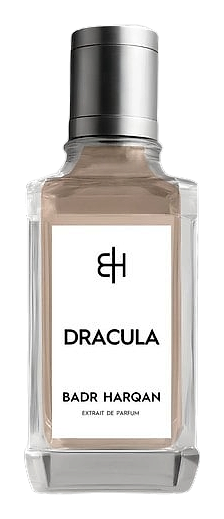
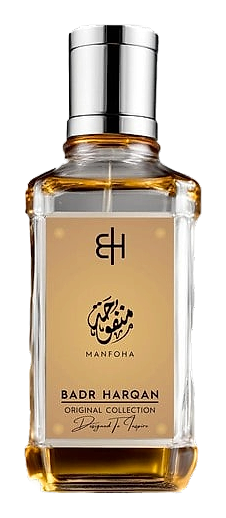
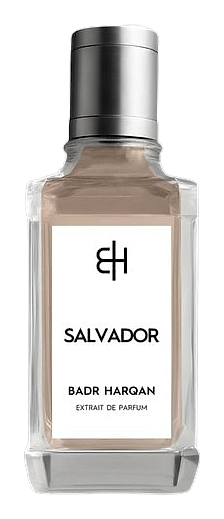
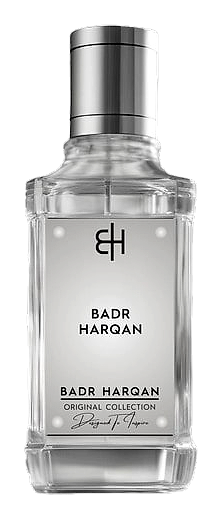
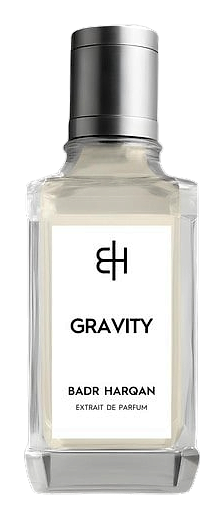
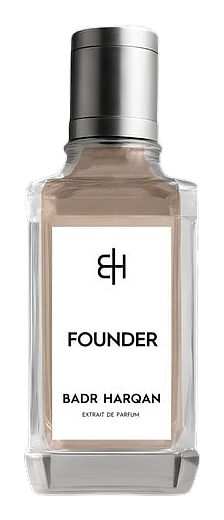
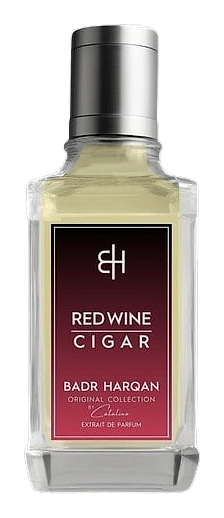
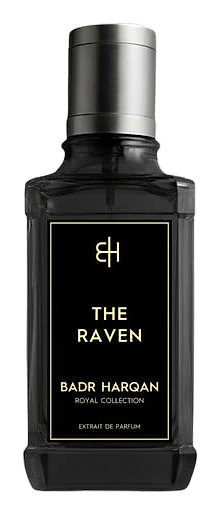
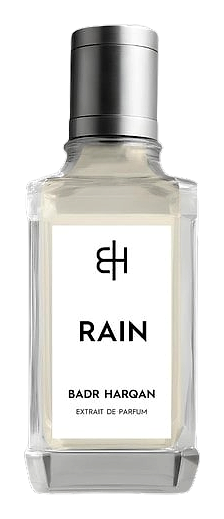
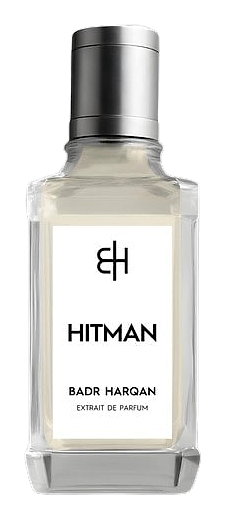
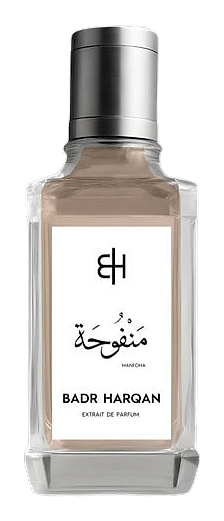
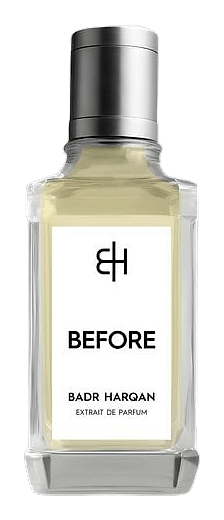
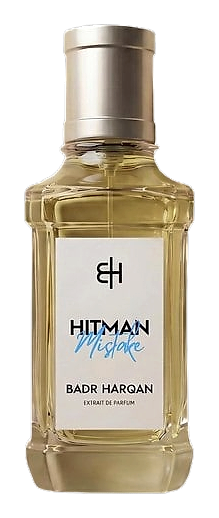
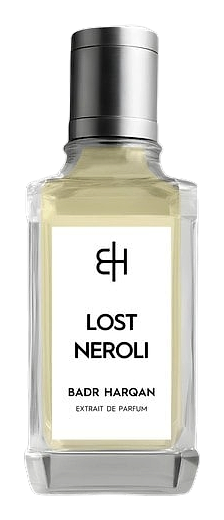
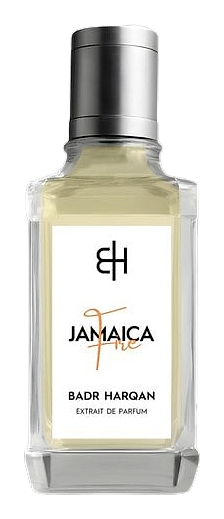
Badr Harqan grew up in Manfouha, one of Riyadh's oldest districts, where fragrance is woven into daily life rather than reserved for special occasions. That neighborhood immersion shaped an early intuition for scent that later matured into a formal craft. According to the founder's own statement on professional networks, he has been composing fragrances since 2013, though BADR HARQAN as a structured perfume house was established later in Riyadh. The earliest known release under the brand came in 2022 with Salvador Eau de Parfum, marking the transition from private experimentation to a named house. Between 2022 and the mid-2020s, the catalogue grew from a single debut to a focused collection of around eight confirmed numbered releases, with the majority, six in total, arriving in 2025. That concentrated burst suggests a deliberate consolidation phase rather than a slow accumulation. The name Badr Harqan itself draws on Arabic roots tied to the founder's identity, giving the house an autobiographical architecture. The brand also released a dedicated mobile shopping application, signaling an effort to reach fragrance consumers directly within the Saudi market and the wider Gulf region. The house describes its work as rooted in Saudi memory and crafted with intention to honor the Arab world's olfactory inheritance. Rather than chasing fleeting global trends, Badr Harqan's creative direction draws from Najdi heritage, the central Arabian region encompassing Riyadh and its surrounding desert culture. The Founder, for instance, is framed as a revival of ancient Najdi heritage, where the scent of history meets the power of authentic nature. This approach treats perfumery as cultural translation rather than abstract art. The brand's compositions also lean heavily on materials with deep regional resonance, including oud, Sidr honey, and Samr fire-charred woods, substances long associated with Arabian hospitality and ritual. The self-titled Badr Harqan fragrance, described officially as carrying more than a name, an identity, suggests a philosophy that views scent as an extension of self rather than a marketing product. The result is a house that positions each bottle as a statement of place, lineage, and personal authorship.