Heritage
A house, in its own words
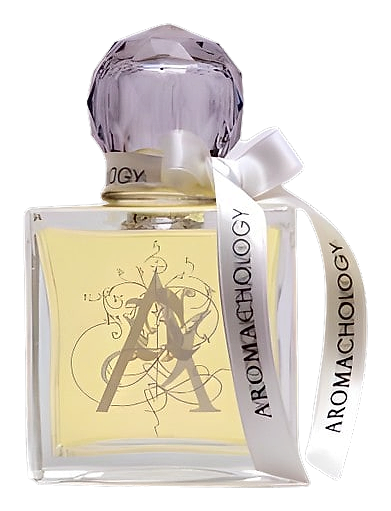
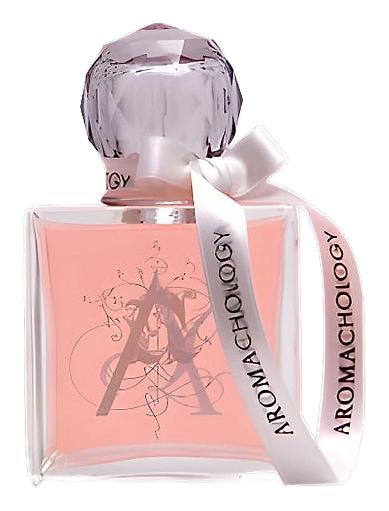
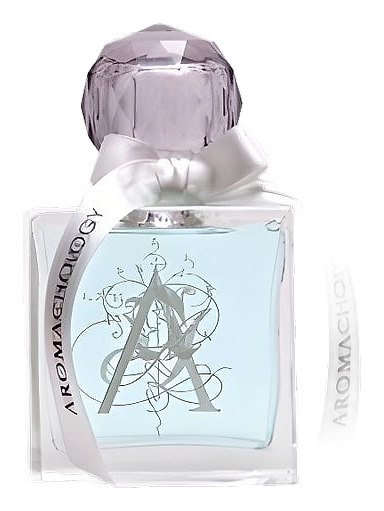
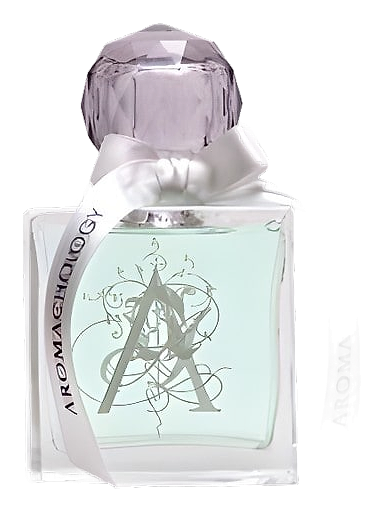
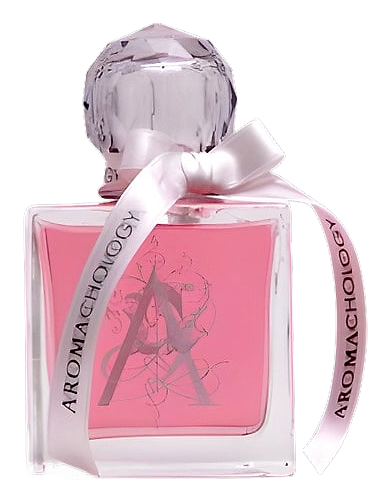
The conceptual foundation of aromachology traces to 1988, when scientist Shizuo Torii at Toho University conducted research examining the connection between fragrance and human emotion. This academic work established the framework later adopted by fragrance practitioners seeking to create products specifically designed to influence mood states. Aromachology as a brand emerged with a deliberate focus on applying these principles to consumer fragrance, releasing its initial collection in 2009. The brand's name directly references this scientific discipline, distinguishing it from traditional perfumery houses that typically emphasize heritage, master perfumer legacy, or geographic origin. The five debut fragrances from 2009 demonstrate the brand's commitment to categorization by emotional territory rather than conventional fragrance family classifications. Without an identifiable founder name in available documentation, the brand's precise origins remain less documented than established perfumery houses, though its conceptual grounding in documented psychological research provides a traceable intellectual lineage. The Aromachology philosophy centers on the premise that fragrance serves as a tool for emotional regulation and mood enhancement rather than merely as a signature personal accessory or olfactory art form. This approach draws from the broader aromachology discipline, which examines how odorant molecules interact with the limbic system and influence emotional processing. The brand's fragrance naming conventions reflect this psychological orientation, with titles like Exotic and Spicy, Bold and Brisk, and Sophisticated and Sensual describing target emotional states rather than ingredient compositions or perfumery traditions. Rather than positioning scent as a luxury commodity or artistic expression, Aromachology frames fragrance as a functional element of daily experience with measurable impact on psychological wellbeing. This functional orientation distinguishes the brand from both artistic perfumery and commercial fragrance houses, occupying a distinct niche focused on the measurable relationship between olfactory stimuli and emotional outcomes.