
Heritage
A house, in its own words
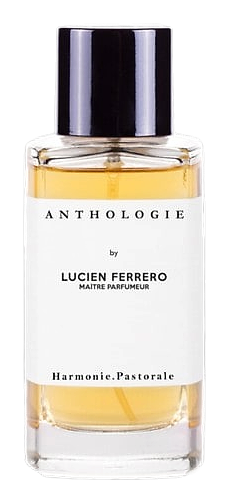
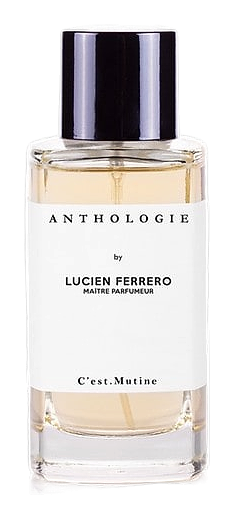
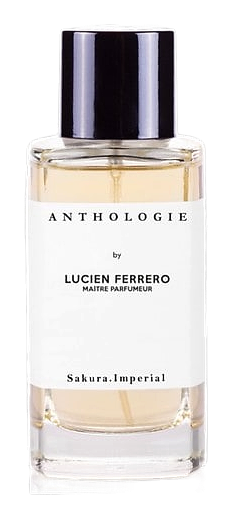
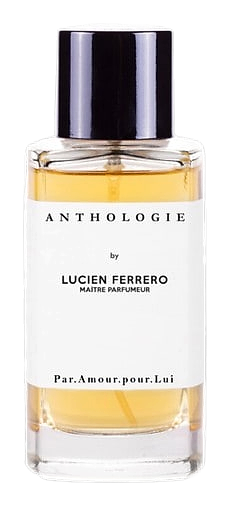
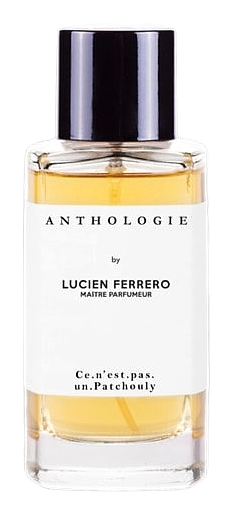
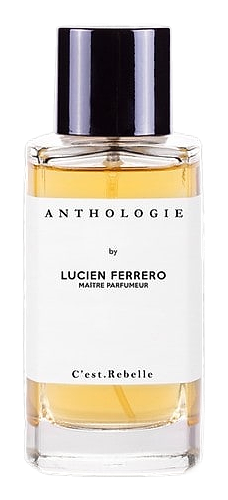
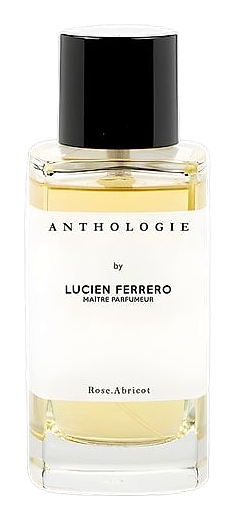
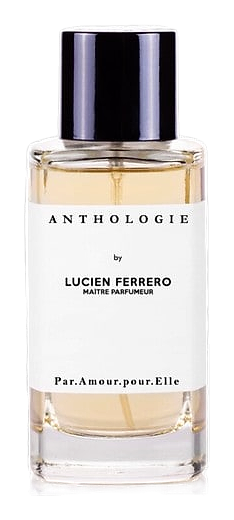
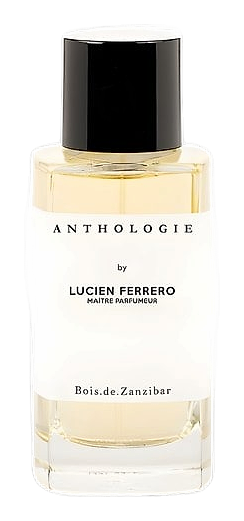
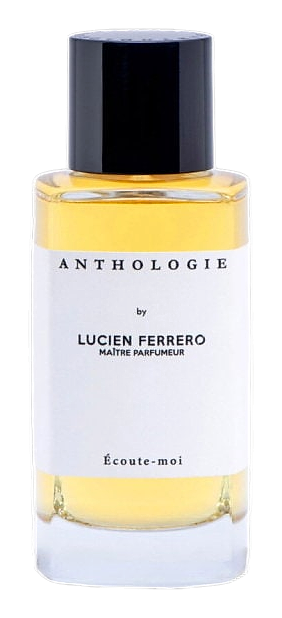
Anthologie emerged in 2019 as a new chapter in the career of Lucien Ferrero, a French master perfumer whose work spans several decades within the fragrance industry. The house represents what Ferrero described as a project born out of his affection for artistic perfumery, a philosophy that prioritizes emotional resonance over commercial considerations. A notable aspect of the brand involves collaboration with Jean-Claude Ellena, whose own distinguished career includes serving as in-house perfumer at Firmenich and creating numerous celebrated fragrances. The partnership between Ferrero and Ellena brought together two generations of French perfumery expertise, with Ellena's minimalist aesthetic potentially influencing the direction of Anthologie's olfactory narratives. The house launched its first fragrances in 2019, including Par Amour Pour Elle and Par Amour Pour Lui, establishing a pattern of naming conventions that would continue through subsequent releases. From 2019 through 2025, the brand developed over ten distinct fragrances, ranging from Harmonie Pastorale in 2020 to Rose Abricot and Bois.de.Zanzibar in 2025. Each release appears designed as a standalone artistic statement rather than part of an expanding collection meant to dominate market segments. The brand's positioning within the niche fragrance market places it alongside houses that prioritize creative expression over mass-market appeal, though specific commercial data or industry awards remain outside the scope of verifiable public records. The philosophical foundation of Anthologie centers on the belief that fragrance serves as a vessel for memories, emotions, and significant moments in human experience. Lucien Ferrero has articulated his passion for what he terms artistic perfumery, suggesting a commitment to creative expression that may diverge from commercial fragrance production. The brand presents each fragrance as an encapsulation of particular sensory memories, inviting wearers to engage with scent as a deeply personal encounter rather than a mere cosmetic application. Titles such as C'est.Rebelle and C'est.Mutine suggest playful defiance of convention, while offerings like Sakura Imperial and Seringa Blanc indicate attention to specific floral narratives drawn from global olfactory traditions. The house appears to approach fragrance creation as a literary exercise, where each composition tells a story accessible through the layered experience of wearing the scent. This perspective aligns with broader trends within contemporary niche perfumery, where perfumers position themselves as artists rather than simply product developers. The collaboration with Jean-Claude Ellena reinforces this artistic positioning, given Ellena's own reputation for restrained, thoughtful compositions that favor nuance over overwhelming projection.