
The Story
Why it exists.
The beginning
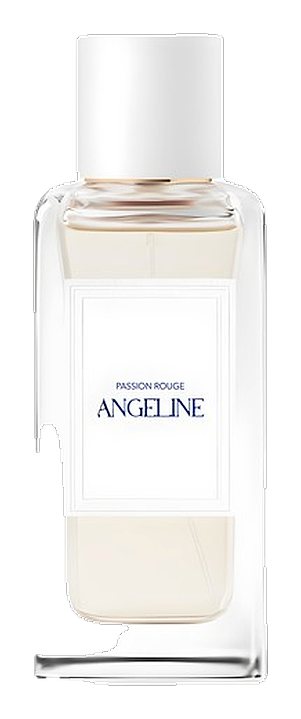
Passion Rouge emerged from Angeline's conviction that fragrance should mirror emotional states rather than seasonal conventions. The brief was simple: a scent that holds warmth without heaviness, that opens bright but settles into something personal. Orange blossom became the unexpected solution, present in both the top and heart notes, it threads through the composition like a recurring thought, refusing to be a fleeting introduction. Moss and amber were chosen to anchor that brightness, to give it somewhere to land.
What makes Passion Rouge unusual is the dual placement of orange blossom. Most fragrances treat it as a top note, bright, fleeting, gone within the first hour. Here it appears again in the heart, which means instead of fading, it deepens slightly, gains a creamier, more indolic character as the fragrance warms on skin. The moss and amber don't overpower this floral presence; they frame it, giving the orange blossom a green, earthy context that prevents it from reading as purely sweet or soap-like. The result is a composition that stays floral throughout its arc but evolves from fresh to warm to intimate.
The evolution
The opening arrives with a zesty pop, sweet orange, slightly tart, the kind of brightness that announces itself without demanding attention. The blossoms are present but quiet at first, sitting behind the citrus. Within the first hour, the orange blossom takes over completely. It becomes creamy, almost indolic, and suddenly this isn't a citrus fragrance anymore, it's a white floral one. The transition is the surprise. Hours later, the floral finally yields to the base. Moss and amber arrive together, creating a warm, earthy, slightly animalic drydown that feels intimate and close. The sillage drops to close skin, the projection becomes quiet. This is when Passion Rouge becomes personal.
Cultural impact
The rise of warm white florals like orange blossom in contemporary perfumery reflects a broader cultural shift toward emotional and personal resonance in fragrance. Where once the industry leaned heavily on gender-based marketing and seasonal pigeonholing, modern brands such as Angeline propose a more fluid approach where scent responds to mood rather than occasion. Orange blossom itself carries centuries of cultural weight, rooted in Mediterranean perfumery traditions and valued for its dual character: bright and uplifting in opening phases while warm and intimate as it settles. This note bridges the gap between fresh and sensual, making it an ideal anchor for fragrances seeking to serve multiple contexts.