
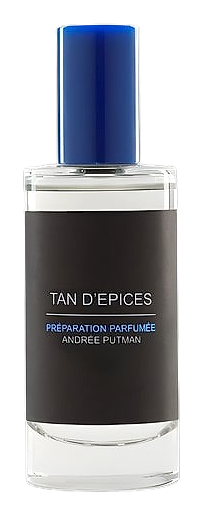






Heritage
A house, in its own words
Andrée Putman built her reputation through interior design before approaching perfumery. In 1984, she transformed the Morgans Hotel in New York for Ian Schrager and Steve Rubell, the founders of Studio 54. This project, considered the world's first boutique hotel, established her international profile and introduced her sensibility for restrained elegance to a wider audience. She had previously worked with the Ministry of Culture under Jack Lang and led projects at various design firms before founding her eponymous studio in 1997. That same year, she established a company under her own name, specializing in interior design, product design, and scenography. Her first fragrance arrived in 2001, created in collaboration with perfumer Olivia Giacobetti. In 2016, marking the 15th anniversary of that debut, the brand released five new fragrances under the Preparation Parfumée label. This expansion, developed with creative director Celso Fadelli, marked a new chapter in bringing Putman's aesthetic vision to olfactory form. The collaboration between Putman and Giacobetti continued across multiple releases, establishing a consistent creative voice throughout the line. The brand maintains an archive documenting her design work, spanning hotels, private residences, and product designs across three decades. Her legacy continues through both her studio's ongoing projects and the fragrance collection that translates her spatial sensibility into scent. Putman's approach to fragrance mirrored her design practice. She sought essentiality over abundance, sobriety over spectacle. Where other designers accumulated notes and effects, she stripped the composition down to what remained necessary. Her fragrances do not announce themselves loudly; they occupy space quietly, the way her interiors did. This economy of means reflects a deeper conviction that luxury lies in precision rather than excess. She believed design should serve daily life rather than dominate it, and her fragrances carry the same functional elegance. The collaboration with Giacobetti allowed this philosophy to take olfactory shape, as both women share an interest in restraint as a form of sophistication. Each fragrance in the collection emerges from a specific reference point in Putman's life or design work, whether a material she favored or a space she created. The perfumes function as biographical artifacts as much as aromatic compositions, carrying the emotional texture of her world. This autobiographical quality distinguishes the line from purely commercial fragrance development, treating each release as an extension of an artistic practice rather than a product launch.