

The Heritage
The Story of Anat Fritz
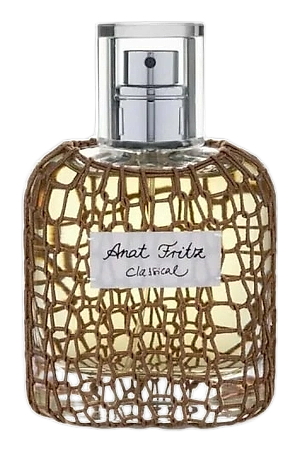
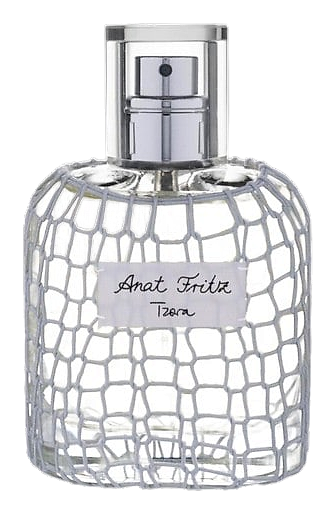
Anat Fritz translates her Berlin‑based design practice into a small but focused fragrance line. The brand offers two core scents – Classical and Tzora – each issued in original form and later as limited‑edition re‑releases. The bottles are understated, echoing Fritz’s commitment to proportion and quiet elegance. Though the range is modest, the scents have earned a reputation among niche collectors for their balance of woody, aromatic and subtly sweet notes.
Heritage
Anat Fritz was born in Arad, a Hungarian‑speaking city in Romania, and moved to Berlin where she built a career in knitwear, accessories and interior objects. Her early fascination with making things by hand evolved into a desire to create a fragrance that would follow the same rules of proportion that guide her fashion work. In 2005 (some accounts note 2006) she launched her first perfume, Classical, in partnership with German niche perfumer Geza Schön. The collaboration combined Fritz’s design sensibility with Schön’s expertise in aromatic composition, resulting in a scent that the brand describes as a memory of sun‑drenched weekends in the countryside. Classical remained in production for several years and was revisited in 2013 with a refreshed formulation, then again as a limited‑edition release in 2020. In 2012 Fritz introduced Tzora, an earthy blend built around vetiver and patchouli, which quickly became a reference point for her olfactory style. A limited‑edition version of Tzora followed in 2020, reinforcing the brand’s practice of revisiting and refining its core creations. Throughout the decade the fragrance line has stayed independent, with each launch announced through niche perfume retailers and modest press coverage, rather than large‑scale advertising. The brand’s history reflects a steady, design‑driven evolution rather than rapid expansion, positioning Anat Fritz as a quiet but persistent voice in the niche perfume community.
Craftsmanship
The production process begins with Fritz selecting a perfumer whose technical skill matches her aesthetic goals. For the inaugural Classical, she partnered with Geza Schön, whose background in German niche perfumery brings a precise handling of natural and synthetic materials. Ingredient sourcing follows a traditional niche model, favoring high‑quality essential oils and aroma chemicals that meet the brand’s standards for purity. The formulations are created in small batches, allowing close monitoring of each stage from mixing to maturation. Limited‑edition releases, such as the 2020 versions of Classical and Tzora, are produced in even smaller quantities, reinforcing the brand’s emphasis on craftsmanship over volume. Bottles are manufactured by a German glass supplier known for clean lines and consistent weight, reflecting Fritz’s design background. Quality control includes sensory evaluation by both the perfumer and Fritz herself, ensuring the final product aligns with the intended memory or mood. The brand does not disclose large‑scale distribution networks, instead relying on niche retailers and direct orders, which helps preserve the integrity of each batch from factory to consumer.
Design Language
Anat Fritz’s visual identity mirrors her design roots: minimal, functional, and focused on proportion. The bottles are clear or lightly tinted glass with simple caps, avoiding ornate detailing. Labels feature a restrained typographic layout, often using a sans‑serif font that aligns with her fashion branding. The overall presentation feels like an accessory rather than a standalone perfume, reinforcing the idea that scent is part of a broader lifestyle. Marketing materials, when they appear, showcase the fragrances alongside knitwear or interior objects, underscoring the brand’s interdisciplinary approach. The colour palette stays muted – whites, greys and soft earth tones – allowing the scent itself to become the focal point. This understated aesthetic has attracted collectors who appreciate a cohesive visual language that does not compete with the olfactory experience.
Philosophy
Fritz approaches scent as an extension of her broader design practice. She has spoken about an "insatiable obsession for proportion and timeless chic," a principle that guides both her clothing collections and her perfumes. Rather than chasing trends, she seeks to capture personal memories – for example, the sun‑lit countryside of her youth – and translate them into balanced aromatic structures. The brand values restraint, allowing each ingredient to occupy its own space without overwhelming the composition. Collaboration is central; Fritz works with established niche perfumers such as Geza Schön to ensure technical expertise while retaining creative control. Sustainability is not a headline claim, but the limited‑edition releases suggest a focus on small‑batch production that reduces waste and maintains quality. Overall, the philosophy is one of quiet confidence: design and scent should coexist harmoniously, each reinforcing the other’s clarity.
Key Milestones
2005
Launch of the first fragrance, Classical, in collaboration with perfumer Geza Schön.
2012
Introduction of Tzora, expanding the line with an earthy, vetiver‑focused scent.
2013
Reformulation and re‑release of Classical, updating the composition while retaining its core memory.
2020
Limited‑edition releases of both Classical and Tzora, marking the brand’s commitment to small‑batch refinement.
At a Glance
Brand profile snapshot
Origin
Germany
Founded
2005
Heritage
21
Years active
Collection
1
Fragrances released
Avg Rating
3.7
Community sentiment
Release Rhythm


