






Heritage
A house, in its own words
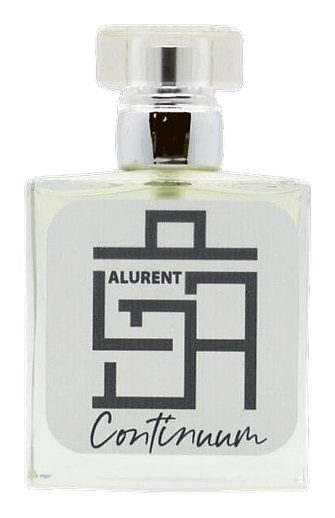
Alurent was established in 1978, placing its founding in the late decade of experimental craft perfumery when independent American houses began gaining recognition as alternatives to European heritage brands. The company operated for decades primarily as a fragrance developer for the cosmetic and personal care industry before gradually shifting focus toward fine fragrances. This trajectory mirrors a broader industry pattern where formulation expertise applied to mass-market products eventually informed more artistic independent work. The current perfumer, Will Claren, holds a Ph.D. and spent years developing scents for over 2,000 consumer and industrial products before pursuing perfume as what the company describes as his true passion. The shift toward fine fragrances accelerated in the 2010s, with the house releasing a new scent nearly every year since 2014. Geographic positioning shaped the brand's identity: the Northern California location provides a Mediterranean climate allowing outdoor cultivation of warmth-loving botanicals like jasmine, citrus, and roses that would require greenhouse environments elsewhere. The company's evolution reflects a quiet continuity rather than dramatic reinvention, maintaining the same Folsom location across decades while expanding from industrial formulations into artisanal expression. This gradual refinement rather than rebranding has allowed Alurent to develop a stable identity grounded in the same cultivation and distillation practices that defined its earliest years. Alurent operates from the premise that fragrance integrity requires controlling the supply chain from botanical growth through final formulation. The house grows many of its own ingredients rather than purchasing finished essential oils, a practice uncommon even among artisanal perfumers who typically rely on specialist suppliers. This approach stems from the belief that botanical origin and harvest conditions directly affect scent character in ways that secondary processing cannot fully preserve. The decision to ferment and distill proprietary alcohol addresses a persistent quality concern in perfumery: commercial ethanol often contains denaturing agents whose traces can subtly affect fragrance composition. By producing its own base, Alurent eliminates an unknown variable in its formulations. The philosophy extends to the bespoke service model, which positions customers as collaborators rather than passive purchasers. Workshop participants work directly with the perfumer to construct individual fragrances, learning basic composition principles while creating something singular. This educational dimension suggests a belief that fragrance appreciation deepens through understanding process. The annual release cadence indicates a measured approach to expansion, prioritizing formulation refinement over market saturation. Rather than launching extensive seasonal collections, the house has maintained a focused catalog that evolves gradually.