The Story
Why it exists.
The beginning
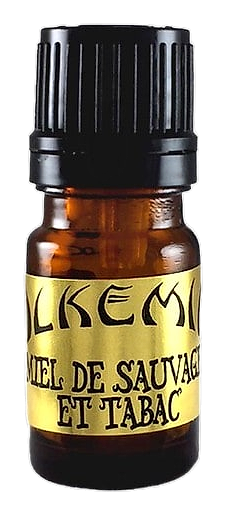
Palo Santo Extrait arrived in 2018 as an exploration of a single material's range. The name names the thing: no metaphor, no invented geography. Palo Santo, holy wood, is a South American tree whose essential oil has been used for centuries in rituals of clearing and centering. The perfumer wanted to see what happened when you stripped away the incense context and let the raw material speak on skin. No smoke accord, no resin layering. Just the oil of aged, fallen wood, vapor distilled, skin-safe, in a concentration high enough to hold.
Meadowsweet is the quiet surprise here. Florally soft and slightly sweet, it threads through the woody-camphor structure like a pause mid-sentence. Most Palo Santo fragrances lean into the smoke or the resin. This one leans into the eucalyptus-like coolness at the top and the citrus-camphor character that makes the wood smell less like burning and more like breathing. The result is a fragrance that reads as fresh and green despite being built entirely from one material's aromatic range. It's an extrait in the truest sense: not a diluted version of something else, but a concentrated argument for a single note's complexity.
The evolution
The opening announces itself immediately, cool, camphoraceous, almost medicinal in its brightness. Think eucalyptus without the vapor rub, or mint crushed between fingers. That sharp, clearing quality lasts for the first twenty minutes, during which the citrus elements in the Palo Santo oil assert themselves. It's not a citrus note in the traditional sense, no lemon, no bergamot. Instead, the wood itself contributes a tart, almost tartrazine-adjacent brightness that lifts the whole composition. Then the hand-off. Meadowsweet arrives around the thirty-minute mark, threading a soft floral sweetness through the structure. The sharp edges don't disappear, they soften, becoming less clinical. The fragrance shifts from "cleansing" to "grounded." This is the heart phase, lasting perhaps two to three hours, where the composition feels most balanced and most like what a casual observer might recognize as "nice." The drydown is pure Palo Santo in its most intimate register. The camphor fades. The eucalyptus recedes.
Cultural impact
Palo Santo has deep roots in South American traditional medicine and spiritual practice, where the wood has been burned for centuries in rituals of cleansing and prayer. Its adoption into Western perfumery represents a complex cross-cultural moment, where a sacred material becomes a commodity. Alkemia's 2018 entry into this space is relatively late compared to earlier adopters, but their approach of using the essential oil as a concentrate rather than a supporting note is distinctive. The fragrance participates in a broader cultural conversation about appreciating natural materials on their own terms, rather than as construction elements in a larger accord pyramid.