
The Story
Why it exists.
The beginning
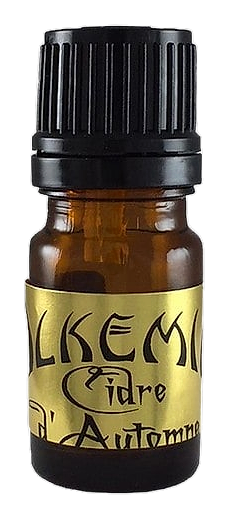
Cidre d'Automne channels a very specific seasonal memory. The nose behind this fragrance wanted to bottle the feeling of an autumn morning at a county fair when October first arrives. Crisp air, the mingling scent of heirloom apples and baking spices drifting from a nearby stall. The result is exactly what the name promises: autumn pressed into a bottle and sealed with a cork. The fragrance has drawn a devoted following, released each year when the leaves begin to turn, because some seasons deserve to be worn.
The note structure here is intentionally spare. Apple juice and pumpkin pie spice carry the entire composition. That's unusual. Most fragrances at this price point layer in supporting notes to add depth or longevity. Alkemia took the opposite approach. By stripping everything back to apple and spice, the scent becomes immediately legible. It smells exactly like what it claims to be: freshly pressed cider and autumn baking. The apple reads as green and crisp, not sweet or candied. The spices are warm, not sharp.
The evolution
The opening hits bright and juicy. Crisp apple, the kind that crunches, with a faint green stem note that keeps it from getting heavy. Within minutes, the baking spices arrive. Nutmeg, cinnamon, ginger, allspice, clove, they don't announce themselves loudly. They settle in alongside the apple like they belong there. The heart phase is where it gets interesting. The apple doesn't disappear, it deepens slightly, becoming more ripe and rounded as the spice blend amplifies. The whole composition warms up without getting heavy. Then the structure tightens. The fruit fades to a soft sweetness, but the spices linger. They're the last thing you smell when the rest has already settled into skin. The spices leave a lasting impression, warming close to the skin as the fruit recedes.
Cultural impact
Cidre d'Automne has become a seasonal touchstone for indie fragrance enthusiasts who want autumn without the usual shortcuts, no caramel, no maple, no gourmand excess. The conversation it generates is predictable in the best way: every autumn, someone rediscovers it and posts that it smells exactly like the fair they remember. That's the cultural work it does. The fragrance captures something true, offering a crisp alternative to sweeter seasonal options.