







Heritage
A house, in its own words
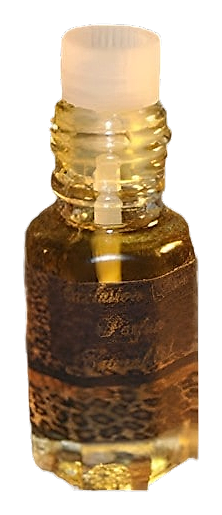
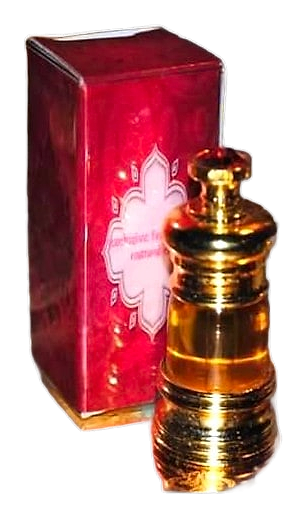
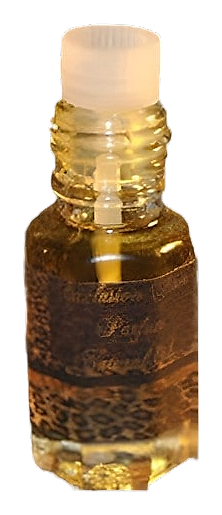
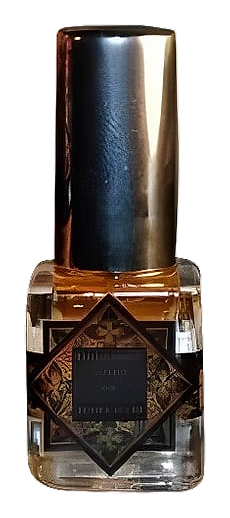
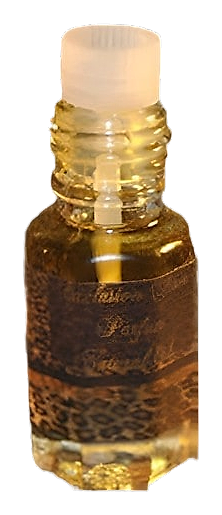
Agarscents Bazaar entered the fragrance market in 2006 under the guidance of Sharif LaRoche. The brand grew from LaRoche’s interest in Arabic and Indian olfactory traditions, particularly the accords that shape attars and concentrated oils: ambergris, musk, oud, civet, floral absolutes, and sweet resins. Independent fragrance coverage identifies the house with San Diego, California, and associates it with Les Ateliers Laroche, giving the brand a workshop identity rather than presenting it as a fashion label. Its catalog soon expanded well beyond a single style, pairing traditional musk and amber compositions with contemporary references such as white blackberry, white chocolate, caramel mukhallat, and violets. A small number of online listings describe Agarscents Bazaar as founded in 1997, but 2006 appears across specialist fragrance publications and is the better-supported date. This chronology places the house firmly in the modern niche fragrance era while keeping its creative language rooted in materials and techniques associated with Eastern perfumery. The house also offers Arabian oils and fragrance accessories alongside spray formats, reflecting a broader interpretation of how scent is worn, stored, and experienced. No independently sourced milestones, formal awards, or institutional partnerships have been established in the available material, so the brand’s history is best understood through its founding, its San Diego base, and the breadth of its attar-inspired catalog. Agarscents Bazaar approaches fragrance as a meeting point between historical olfactory materials and modern composition. Its names make the intent clear: Ambergris White Blackberry combines a classic marine-derived material with a dark fruit accord, while Ambergris White Chocolate and Amber Civet Caramel Mukhallat pair traditional amber and civet references with recognizable gourmand notes. Egyptian Musk Golden Anbar Superior centers on the house’s musk and amber vocabulary, and Rose Ispahan names the rose associated with Iran. This approach suggests that the brand is less concerned with reproducing a single traditional recipe than with reinterpreting the sensory language of Arabic, Persian, and Indian perfumery for contemporary wearers. The availability of oils, sprays, and accessories also supports a tactile, ritual-oriented view of fragrance. Rather than treating scent as an abstract composition alone, the house presents it through texture, concentration, adornment, and personal application. That position is reinforced by the founder’s background in perfumery as reported by specialist publications. No perfumers are currently linked to individual Agarscents Bazaar releases in the available database, so composition attribution remains uncertain and should not be inferred from the founder’s role alone.