Heritage
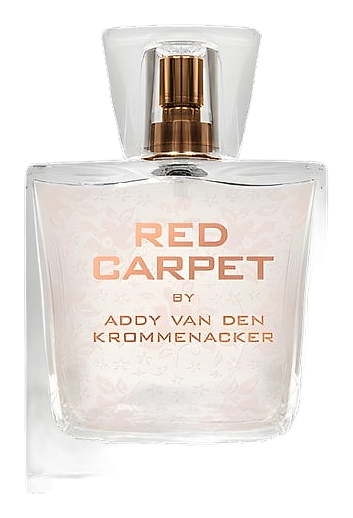
A house, in its own words
Addy van den Krommenacker was born on 8 April 1950 in Uden, in the southern Netherlands. His path into fashion began with a small atelier and grew into an international couture name. The first designs appeared at the Beau Monde Fashion Awards in 2002, and in 2003 he presented his first full haute couture collection. That early milestone set the direction for a career defined by handwork, precise construction and a close relationship with clients who value the personal nature of couture. Rather than building a fragrance house from scratch, van den Krommenacker entered perfumery as a designer lending his name and aesthetic sensibility to an olfactory composition. Red Carpet, introduced in 2014, arrived after more than two decades at the center of Dutch and international fashion. It reflects a designer who understands that presentation matters, that an entrance can be unforgettable and that clothing alone does not complete the picture. The fragrance remains the clearest point of entry for anyone discovering his work through scent, while the fashion house itself supplies the context: a long practice of making garments for individuals, with discretion and structure as recurring signatures. The creative logic behind Red Carpet comes from the same place as van den Krommenacker's clothing. Couture is often described as an art of balance, and that idea translates naturally into fragrance. A finished scent needs clarity, a point of view and the confidence to hold attention without excess. The name Red Carpet suggests the moment a look is complete, when fabric, silhouette and scent converge. That framing positions the fragrance less as a casual everyday companion and more as a deliberate finishing gesture, the final detail chosen with the same attention given to cut and proportion. The designer's public identity is rooted in feminine but discreet clothing, a quality that points toward composure rather than spectacle. Red Carpet appears to follow that instinct, offering a composed olfactory signature for someone who wants to be noticed without announcing their presence. Because the designer did not establish a conventional fragrance house with a long catalogue or public platform for perfumers, the philosophy remains closely bound to his own life and work. The fragrance is best understood as a portrait of its creator, filtered through the elegance and occasion that shaped his name.