





Heritage
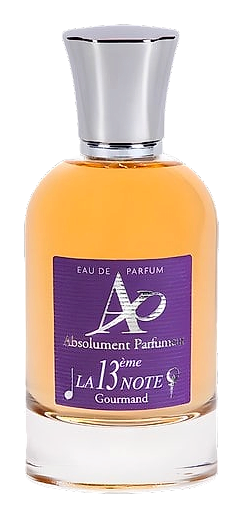
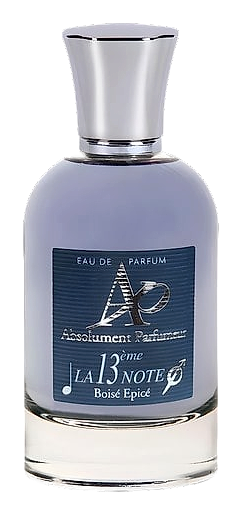
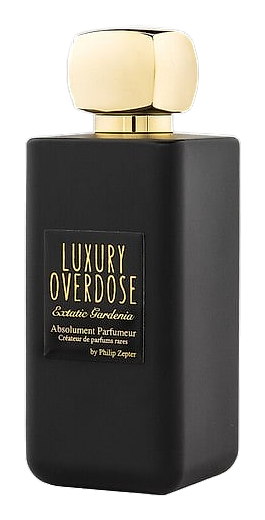
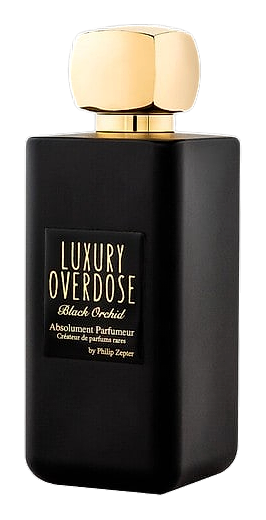
A house, in its own words
Absolument Parfumeur traces its origins to the historic town of Aix-en-Provence, a city long celebrated for its connection to the art of perfumery. The house was founded by Pascal Rolland, a figure whose biography intersects interestingly with French spirit traditions. Rolland is credited with the return of absinthe liquor to France, an endeavor that speaks to his affinity for aromatic botanicals and his willingness to explore unconventional olfactory territories. This background suggests a founder whose approach to fragrance extends beyond conventional perfumery into the broader world of aromatic spirits and plant-based craft. The house emerged during a period when independent niche perfumery was gaining momentum across Europe, and it positioned itself within this movement by emphasizing artistic autonomy over commercial imperatives. Since releasing its first fragrance in 2006, the house has maintained a steady output, with new compositions appearing roughly every two to three years. The naming conventions of certain releases, such as the La 13ème Note pair from 2013, indicate a willingness to engage with conceptual and musical themes within fragrance. The brand's geographic anchoring in Aix-en-Provence appears deliberate, connecting its identity to a specific place with documented perfumery traditions rather than presenting itself as rootless or globally generic. The philosophical foundation of Absolument Parfumeur appears rooted in authenticity and regional identity. The house seems to prioritize the expressive potential of fragrance over market considerations, creating scents that pursue specific olfactory visions regardless of broader commercial appeal. This approach aligns with the independent niche paradigm, where perfumers maintain creative control rather than answering to corporate marketing departments. The decision to name fragrances after specific aromatic subjects, whether botanical ingredients like absinthe and osmanthus or conceptual constructions like the thirteenth musical note, suggests a house that treats perfumery as a communicative art form. There is an apparent belief that fragrance can capture and convey precise sensory experiences, emotions, and references, transforming scent into a medium of expression comparable to music or visual art. The dual masculine and feminine versioning of certain releases, such as the La 13ème Note pair, indicates an understanding of fragrance as a gender-fluid territory where similar olfactory themes can be explored across different compositions. This approach rejects the notion that perfumery must be categorized rigidly by market segment, instead treating scent as a personal and individual experience.