Heritage
A house, in its own words
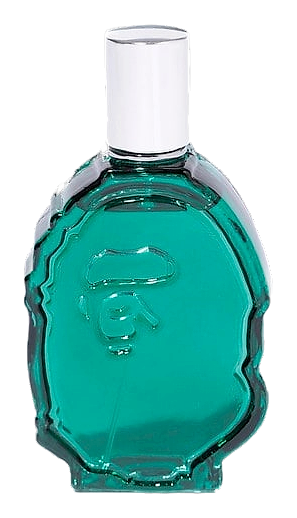
A Bathing Ape was born on April 1, 1993, when Nigo (born Tomoaki Nagao) opened a small shop in the backstreets of Ura-Harajuku, the area behind Tokyo's main Harajuku shopping district. The name is a play on the phrase 'a bathing ape,' a riff on the 1968 film Planet of the Apes and the idea that a well-dressed ape, like a well-bathed human, takes care of itself. The label's parent company, Nowhere Co., Ltd., was established the same day and continues to oversee the BAPE brand. Nigo had been deeply embedded in Harajuku culture before launching the brand, working at a popular vintage shop called Red Sand and immersing himself in the local scene. His early network included figures like Hiroshi Fujiwara, a foundational figure in Japanese streetwear, and the International Stüssy Tribe, a loose collective that linked Nigo to James Lavelle of Mo'Wax and UNKLE, helping position the brand as a cultural tastemaker rather than just a clothing label. The brand's early T-shirts, featuring the now-famous Ape Head, Bathing Ape text, and camouflage prints, quickly became coveted objects among collectors. By the early 2000s, BAPE had expanded into sneakers, accessories, and collaborations, including partnerships that brought the brand international attention. The company opened stores in cities including New York and Hong Kong, and BAPE became a fixture in hip-hop and streetwear circles. Fragrance arrived much later, in 2016, when the brand launched A Bathing Ape Eau de Toilette, its first and to date signature scent. It was a natural extension of the brand's identity into the personal-care space, following licensing deals in watches and other categories. A Bathing Ape's creative vision has always been rooted in the collision of Japanese pop culture, streetwear, and a kind of obsessive collector mentality. Nigo built the brand around scarcity and cultural currency, dropping limited quantities of graphic-heavy pieces that rewarded those 'in the know.' The same sensibility carries over into fragrance: rather than building a sprawling line, BAPE released a single eau de toilette that serves as a signature, an olfactory marker for the brand's broader universe. The fragrance itself draws on the brand's Japanese roots, reportedly blending traditional ingredients like sandalwood, prized in Japanese craft for centuries, with a fresh, green profile meant to evoke natural, airy landscapes. This pairing, old and new, refined and casual, is central to how BAPE has always presented itself. The brand does not position itself as a traditional luxury perfumer; instead, it treats scent as another extension of the lifestyle aesthetic, designed to be worn alongside the clothing rather than evaluated like a haute parfumerie composition. It is an accessible, wearable take on identity, consistent with the streetwear ethos the label helped define in Japan.