Heritage
A house, in its own words
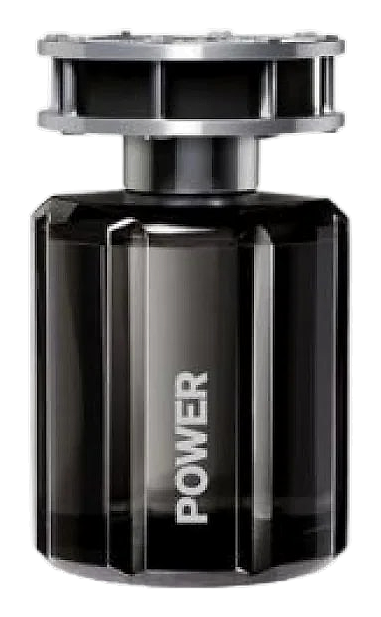
50 Cent built his public identity around reinvention. Born Curtis James Jackson III in Queens, New York, he rose to prominence in the early 2000s with a string of multi-platinum albums and a reputation forged in street-level storytelling and crossover pop appeal. By the mid-2000s, he had systematically translated his musical success into business ventures, most notably through a stake in Vitamin Water that reportedly netted him a significant fortune when Coca-Cola acquired the brand. This demonstrated a knack for commercial partnerships that extended well beyond recording contracts. The fragrance market of the late 2000s was a natural extension of celebrity culture, with entertainers across music, film, and sports launching scented products that leveraged their names and images into the personal care aisle. Power arrived in this landscape in 2009, launching exclusively at Macy's. The partnership gave 50 Cent's fragrance placement in one of the largest department store chains in the United States, positioning it alongside legacy fragrance brands and other celebrity lines. The move reflected a broader strategy of targeting mainstream retail rather than boutique channels, aiming for broad accessibility from the start. Harry Fremont, the credited perfumer on the project, brought industry weight to the collaboration, lending an air of craft to a product carrying a celebrity name. The 2009 launch represented a calculated moment in celebrity fragrance culture, when the market was still dominated by high-profile names in music and entertainment, and when department store fragrance counters remained the primary battleground for new entrants in the category. The philosophy behind Power centered on personal identity and self-definition. Fragrance, for 50 Cent, was not simply a licensing opportunity or a celebrity extension but a medium for expressing a specific attitude and presence. The decision to use the word Power as the fragrance's name signaled an intention beyond surface appeal, anchoring the product in a concept that carried personal resonance and broader cultural associations. Rather than outsourcing the creative direction entirely, 50 Cent was described as having been involved in shaping the character of the scent itself, bringing an intuitive sense of what he wanted the fragrance to communicate to someone wearing it. This hands-on approach distinguished the project from fragrances that functioned primarily as celebrity endorsements with little connection to the named personality's actual preferences. The marketing framing reinforced this sense of authenticity, presenting Power as a fragrance built around a specific idea of self rather than a commercial formula designed to appeal to the widest possible audience. The aromatic spicy profile was chosen to convey strength and presence, attributes that aligned with both the fragrance's name and 50 Cent's public persona. Collaboration with industry professionals like Harry Fremont ensured the final product met the technical standards of perfumery while remaining true to the vision that drove the project from concept to launch.