Yves Coueslant
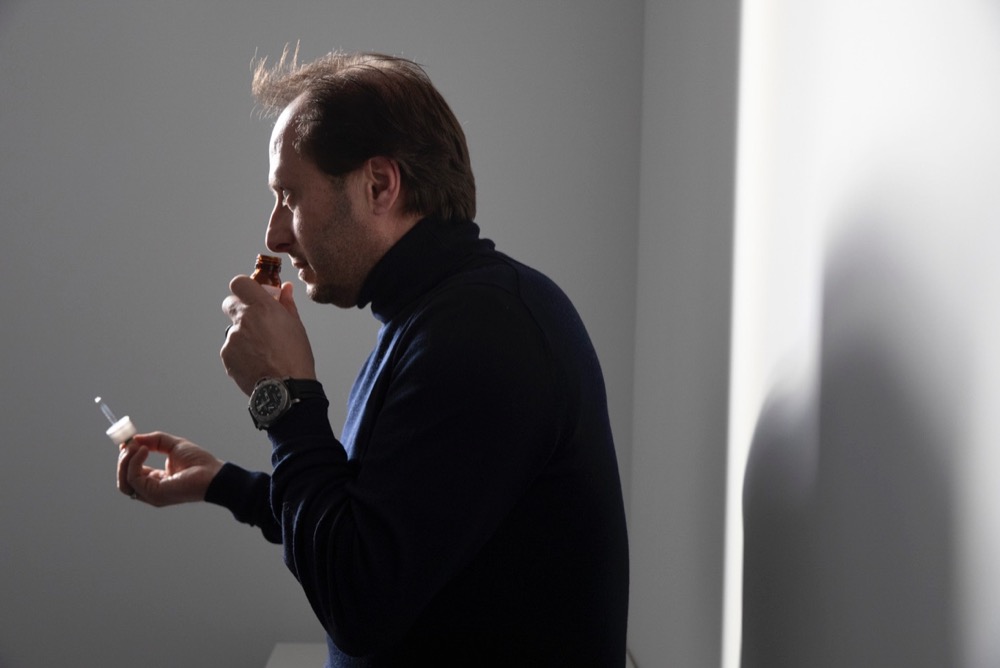
Yves Coueslant arrived at perfumery through an unexpected door. Trained as an architect, he never formally studied the craft of scent creation. Instead, he approached fragrance the way an architect approaches space: with an eye for structure, atmosphere, and the emotional weight of materials. In 1961, he co-founded Diptyque in Paris alongside Desmond Knox-Leet and Christiane Gautrot, initially selling fabrics and artisan objects. The boutique's small apothecary-style bottles eventually outlasted its textile business. Coueslant began composing scents out of sheer necessity, armed with an amateur's intuition and a designer's sensibility. His first major creation, Do Son, centered on the heady white tuberose he remembered from his childhood summers in northern France. The scent launched quietly in 1990 and quietly conquered. His work defied the polished commercial logic of the era: no heavy florals, no sugar, no spectacle. Just precision and memory, built into bottles.
The hits
Notable creations
The signature
How Yves composes
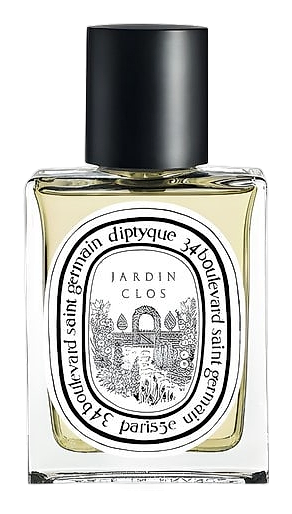
Coueslant's signature leaned toward green, woody, and airy compositions. He favored transparent textures over sillage-maxing power. His preferred materials included fig, cypress, jasmine, and tuberose, often rendered in a style that read more naturalistic than calculated. He had a particular gift for capturing the smell of growing things: leaves, stems, bark, sap. His florals were never lush or sweet. They carried green stems and root-earth undertones. Many of his creations read as landscape sketches rather than perfume statements. He worked with woody bases, particularly cypress and fig wood, to anchor his scents with an almost architectural weight. His aesthetic stayed consistent across decades, resisting the industry's pendulum swings between gourmand excess and minimalist sterility.
Philosophy
What drives Yves
Coueslant believed scent should carry you somewhere specific. He composed from personal recollection rather than market research, and he distrusted trends. His guiding idea was simple: a fragrance should evoke a place, a time, a sensation that belongs to the person wearing it. He refused to separate beauty from function, treating each bottle as an object with its own right to exist. His architecture background showed in how he structured his scents, with clear divisions between top, heart, and base that gave his creations a structural clarity rare among self-taught perfumers. He worked slowly, releasing very few fragrances over decades, and insisted that each one earn its place.
The houses
Maisons Yves composes for
In the same league