Wei Ling
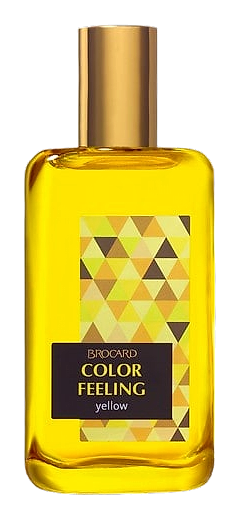
Wei Ling Png arrived in the fragrance world without the conventional roadmap. Rather than climbing through the traditional ranks of a fragrance house, she built her practice through a distinctive combination of analytical rigor and creative curiosity. Her background in sensory evaluation and fragrance adaptation suggests someone who understands perfume not merely as artistic expression, but as a living, responsive medium that must perform across skin types, climates, and cultural contexts. Her breakthrough came through collaboration rather than solo conquest. When the cooperative project Hero brought together perfumers from across the globe to create an olfactive tribute to caregivers, Png contributed her voice to a collective vision that most traditional perfumers would never attempt. The project demanded negotiation, compromise, and a willingness to subordinate individual signature for shared purpose. That experience shaped her understanding of what fragrance can accomplish beyond personal expression. Png's work caught the attention of the broader industry when she appeared alongside established names like Bertrand Duchaufour in Yakymour's Color Feeling collection, where contributors were challenged to translate the concept of color into scent. The pairing of her name with a renowned French nose signaled that her perspective had earned serious consideration. She approaches perfumery as both scientist and storyteller, treating each brief as an opportunity to solve an olfactory problem while maintaining emotional resonance.
The hits
Notable creations
The signature
How Wei composes
Png's technical foundation appears strongest in her command of fragrance adaptation, the discipline of ensuring a composition maintains its character across varying conditions. Her sensory evaluation background suggests meticulous attention to how individual ingredients behave within a formula, how they evolve on skin, and how they interact with the wearer rather than simply with the bottle. While specific ingredient preferences remain less documented, her collaborative work implies comfort with complexity. Projects like Hero, which required coordinating multiple perfumers' visions, demand fluency with diverse raw materials and the ability to find harmony between potentially contrasting elements. Her Color Feeling contribution required translating non-olfactory concepts into scent, suggesting imaginative use of materials that might surprise or challenge conventional associations. Png seems to value precision and intentionality over flashy accords, favoring compositions where every element serves a purpose.
Philosophy
What drives Wei
Wei Ling Png operates from a conviction that fragrance should serve connection rather than simply impress. She has spoken about the importance of sensory evaluation and adaptation, suggesting she cares deeply about how compositions perform in real-world conditions rather than controlled laboratory settings. Her work on cooperative projects indicates a belief that the best fragrances often emerge from dialogue rather than solitary genius. She gravitates toward briefs that carry meaning beyond hedonistic appeal. The Hero project centered on honoring caregivers, while her Color Feeling contribution asked her to render something abstract into tangible form. These challenges appeal to her because they require perfume to communicate something specific, to carry a message that language might handle clumsily. Png seems to believe that fragrance reaches its highest purpose when it bridges gaps, whether between people, cultures, or sensory experiences that typically remain separate.
The houses