Vincenzo Arpaia
Born in Naples in 1990, Vincenzo Arpaia traces his interest in fragrance to childhood, when curiosity drew him toward the nuances contained in scent. His scientific grounding gives his work an unusually methodical dimension. He studied Biology before specializing in Clinical Cosmetology, then pursued further professional training in perfumery. Rather than treating fragrance as an abstract exercise in decoration, Arpaia approaches it through close attention, disciplined study and the logic of materials. His background suggests a perfumer who values both emotional effect and technical control, pairing a clear understanding of how compositions develop with a distinctly personal curiosity about how individual ingredients can change character. The available record does not identify a specific professional breakthrough or commercial release, leaving his early career and creative milestones largely undisclosed.
The hits
Notable creations
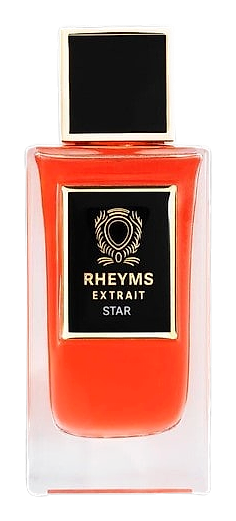
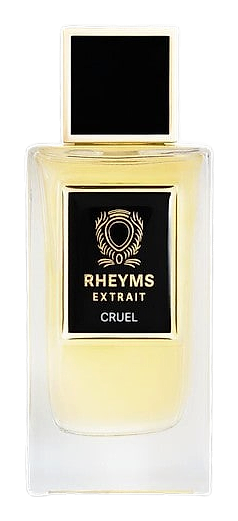

The signature
How Vincenzo composes
No completed fragrance or specific signature technique is confirmed in the available material, so a precise description of Arpaia’s finished style would be speculative. What can be said is that his training points toward clarity, structure and a close reading of natural materials. His scientific education likely informs an interest in how ingredients behave, while Clinical Cosmetology offers a practical perspective on how scent meets skin. The available biographies also stress his early fascination with fragrance and the exploration of nuanced differences between materials. That combination suggests a preference for compositions built through careful observation rather than theatrical excess, although his actual favorite ingredients and recurring techniques remain undocumented.
Philosophy
What drives Vincenzo
Arpaia’s philosophy appears to begin with attention. The idea that he became fascinated by scents as a child is consistent with a practice built around noticing differences: how materials sit together, how familiar notes shift with context, and how a composition can be shaped through precise decisions. His Biology degree and Clinical Cosmetology training likely provide a framework for thinking about skin, formulation and the relationship between chemistry and sensory experience. The limited public information does not support claims about a signature formula, but it presents a convincing foundation in patient observation and rigorous learning. His work seems driven by curiosity rather than a fixed theme, with each material treated as a distinct expressive choice.
The houses