Rosella Patrizia Cezza
Rosella Patrizia Cezza is an Italian master perfumer whose career has been quietly built at Moellhausen, the family-owned fragrance house based in northern Italy. She joined the company in 1999 at the age of thirty-five, bringing with her a trained eye for raw materials and a sensibility shaped by Italian olfactory tradition. Over more than two decades, she has risen through the ranks to hold the title of executive and master perfumer, a position that places her among the small circle of senior creative voices at the firm. Her work at Moellhausen spans both fine fragrance and the broader flavor and ingredients business the company is known for, giving her an unusually broad perspective on how scent is constructed from base components upward. Colleagues describe her as exacting and deeply material-literate, a perfumer who approaches each brief with patience and rigour rather than flash.
The hits
Notable creations
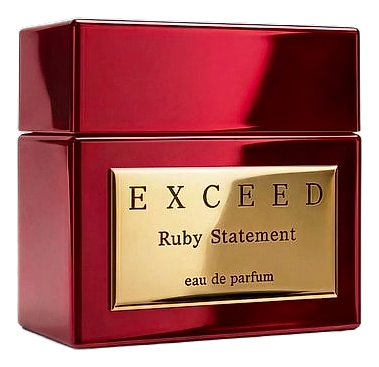
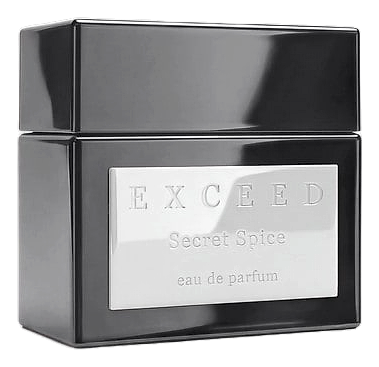
The signature
How Rosella composes
Cezza's hand is most recognizable in compositions that balance bright, natural-feeling top notes with warm, grounded bases. She has a particular affinity for Mediterranean ingredients: bergamot, neroli, rosemary, fig leaf, olive, and sun-warmed woods, handled with the kind of restraint that suggests she knows exactly how far each can be pushed. Her florals tend to read as living rather than abstracted, often built around a single dominant bloom rather than a complex bouquet. In the base, she returns again and again to soft ambers, cashmeran, and creamy musks, materials that give her work a tactile, skin-like quality. The result is fragrance that wears close, that develops slowly, and that rewards attention over time. Her style is Italian in its warmth and material honesty, classical in its discipline.
Philosophy
What drives Rosella
Cezza builds fragrance the way a tailor cuts cloth, with precision, respect for the material, and an understanding of what the structure can hold. She believes a perfume must earn its complexity, that no ingredient should appear without reason, and that the difference between a pleasant scent and a memorable one lies in the architecture beneath the surface. Her approach draws on Italy's long tradition of natural raw materials, citrus, herbs, florals, woods, while remaining open to modern molecules that can extend a composition's reach. She tends to favor clarity over density, letting individual notes speak rather than burying them under layers. For Cezza, the finished fragrance should feel inevitable, as though it could not have been made any other way.
The houses