Ricky Sarkany
Ricky Sarkany is best known as the Argentine designer behind a distinctive fashion house, but his path into perfumery grew directly from that world of shoes, leather, shape, and sharply considered details. Born in 1960, he opened his first store in 1992 and built the brand into one of Argentina’s most recognizable names in footwear and fashion. Fragrance entered the picture much later, translating the house’s disciplined, sensuous character into scent. Available details about his first perfume are limited, and reliable sources do not consistently identify its perfumer. The name Sarkany Men, associated with a dense woody release in 2012, marks his clearest documented entry into men’s fragrance. His background gives the work an unusually direct logic: perfumery here feels less like a separate decorative venture than an extension of material, craft, and personal style.
The hits
Notable creations
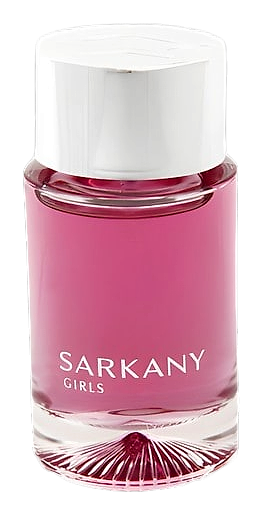


The signature
How Ricky composes
The clearest documented style belongs to Sarkany Men, launched in 2012 and described as woody, dense, and masculine. That profile suggests an emphasis on depth and persistence, likely built around a dark woody center rather than a light, citrus-led opening. In a fashion context, the effect would suit evening wear, tailored clothing, and the polished atmosphere of a formal room. Leather is an obvious associative material for a designer whose career centers on footwear, though it should not be treated as a confirmed note without a complete ingredient list. What can be said with confidence is that Sarkany favors the language of texture: woods, weight, shadow, and controlled sensuality. The restrained palette aligns closely with his reputation for sharply cut, modern clothing. Any fuller account of preferred ingredients would require verified perfumer credits or official notes, which remain unclear in the available research.
Philosophy
What drives Ricky
Sarkany approaches fragrance through the instincts of a fashion designer rather than a conventional perfumery-school background. His reference points are tactile and visual: leather, polished surfaces, dark woods, clothing, and the controlled line of a sleek silhouette. That makes scent part of the whole construction of an identity, not merely a final layer applied afterward. The mood appears restrained, masculine, and close to the skin, with density supplied by woods rather than brightness or overt freshness. Because the available material does not establish a formal olfactory manifesto, it is safest to read his philosophy in the design language surrounding his fragrances. The aim seems to be coherence. A Ricky Sarkany scent should carry the same precision, sensuality, and dark elegance associated with the fashion house.
The houses