Pierre Wulff
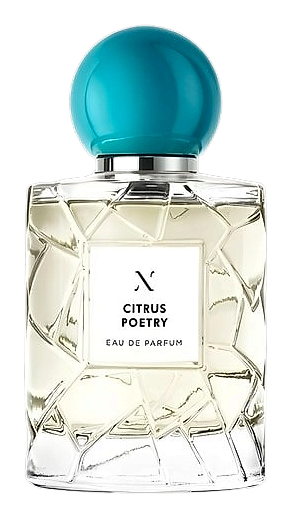
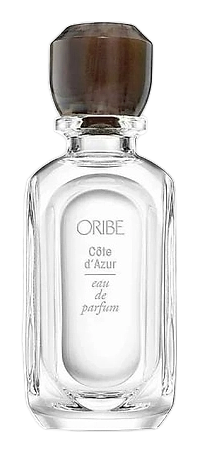
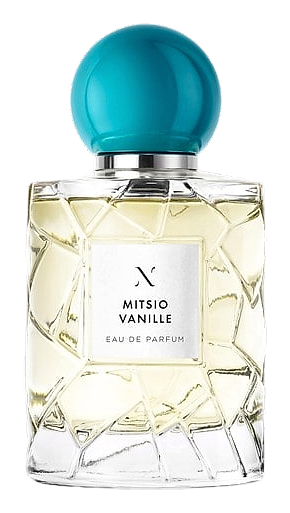
Pierre Wulff's story defies the predictable. Born in Sweden in 1953, he spent his early years on basketball courts rather than perfumery labs. A professional player from Stockholm, Wulff pivoted when an encounter with the world of scent redirected his trajectory. He trained in Grasse, absorbing the craft's rigor and tradition. His career spans continents and decades. At Robertet Group since 1995, Wulff serves as the creative bridge between clients and development teams, shaping fragrances that span luxury, fashion, and niche markets. His work with brands like Oribe, Les Soeurs de Noe, and Gant reflects a versatility rooted in technical mastery and emotional intuition. Wulff created Gilda in 1986, establishing his presence in Parisian perfumery before his long tenure with Robertet. He has shaped the creative direction of numerous successful lines while mentoring the next generation of perfumers.
The hits
Notable creations

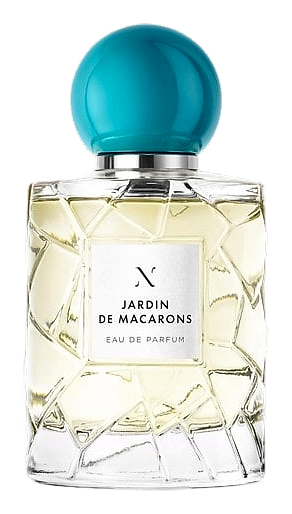
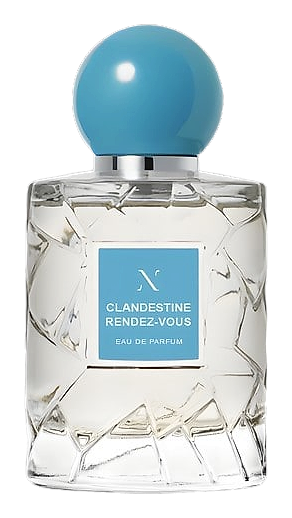
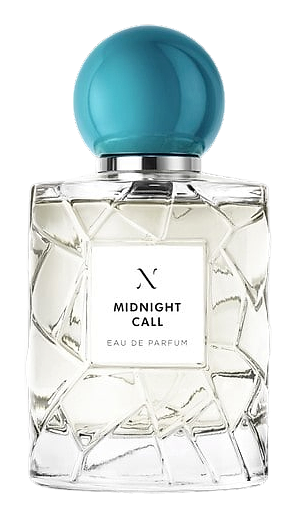
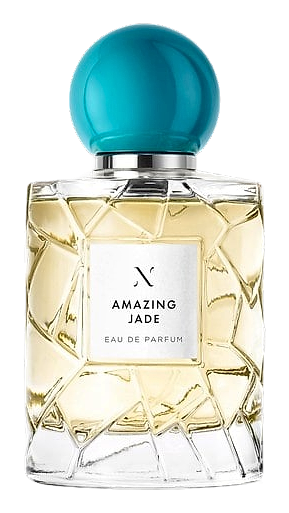
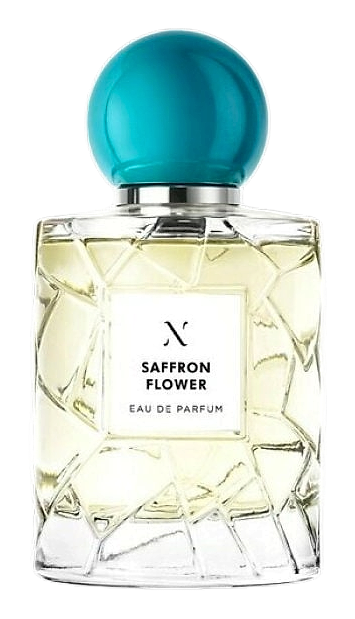
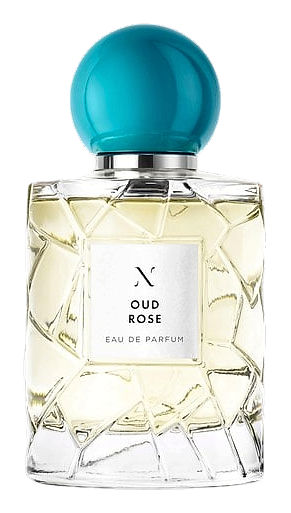

The signature
How Pierre composes
Wulff's signature lies in his masterful use of citrus and green notes, elevated by an unexpected depth. He has a particular talent for bright, shimmering top notes that do not evaporate into thin air, instead anchoring themselves in rich, textured bases. His work often balances Scandinavian restraint with Mediterranean warmth, reflecting his cross-cultural formation. He favors natural materials when possible and believes in letting ingredients express their true character rather than forcing them into unfamiliar roles. His style demonstrates that restraint and richness can coexist, that a fragrance can be both subtle and deeply memorable.
Philosophy
What drives Pierre
Wulff composes with emotion. For him, a fragrance must capture a feeling before it captures attention. He approaches each creation as an act of translation, converting memory and mood into liquid form. His process begins not with ingredient lists but with questions about what a person wants to carry with them through the day. This emotional-first methodology sets his work apart in an industry often dominated by trend-following. He believes scent is the most intimate form of self-expression, and he takes that responsibility seriously. His philosophy prizes authenticity over spectacle, creating fragrances that reveal themselves slowly rather than announce themselves loudly.
The houses
Maisons Pierre composes for
In the same league